

Step-by-Step: View and Edit Property ID on ULB NDC Haryana
-
By Ayush Oswal
- June 30, 2026
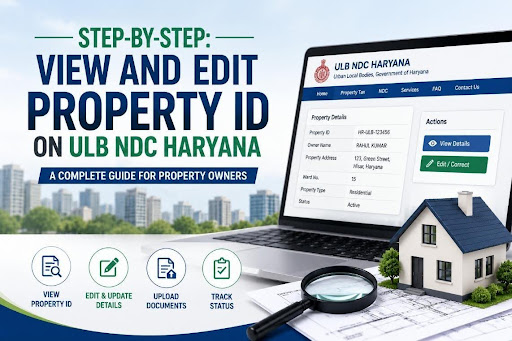
Introduction
Managing property records has become significantly easier with Haryana’s digital municipal services. The ULB NDC Haryana portal enables property owners to access important information such as their Property ID, ownership details, tax records, and other municipal services online.
A Property ID is one of the most important identifiers assigned to a property. Whether you are paying property tax, applying for municipal approvals, selling your property, or updating ownership records, having accurate Property ID information is essential.
This guide explains how to view and edit your Property ID on the ULB NDC Haryana portal, eligibility, required documents, common issues, and helpful tips for a hassle-free experience.
Also read:-How To Check RERA Registered Projects in Haryana?
Quick Answer
The ULB NDC Haryana portal allows property owners to view their Property ID, verify property details, and request corrections where applicable. By logging into the official portal and following the verification process, users can ensure that their property records remain accurate for tax payments, ownership verification, and municipal services.
Market Snapshot Table
| Particular | Details |
|---|---|
| Portal Name | ULB NDC Haryana |
| State | Haryana |
| Department | Department of Urban Local Bodies, Haryana |
| Service | Property ID View & Correction |
| Mode | Online |
| Beneficiaries | Property Owners in Haryana |
| Main Purpose | Property Record Verification and Updates |
What is the ULB NDC Haryana Portal?
The ULB NDC Haryana portal is an online platform developed by the Urban Local Bodies Department, Haryana, to provide municipal services digitally.
The portal allows citizens to:
- View Property ID
- Pay property tax
- Verify ownership details
- Apply for No Dues Certificate (NDC)
- Update certain property information
- Access municipal property services online
The portal reduces paperwork while improving transparency and convenience.
Also read:-Punjab Affordable Housing Scheme; Housiey
What is a Property ID?
A Property ID is a unique identification number assigned to every registered property within the jurisdiction of Urban Local Bodies in Haryana.
It helps authorities identify:
- Property ownership
- Property tax records
- Property location
- Municipal assessments
- Transaction history
Every property has a distinct Property ID, making record management more efficient.
How to View Property ID on ULB NDC Haryana
Follow these simple steps:
Step 1: Visit the Official Portal
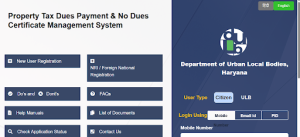
Open the official ULB NDC Haryana portal.
Step 2: Login
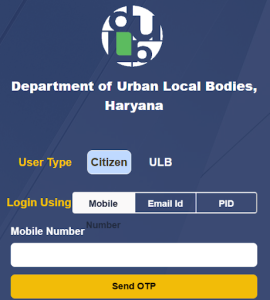
Sign in using your registered mobile number or login credentials.
Step 3: Select Property Services
Navigate to the Property Tax or Property Services section.
Step 4: Search Property
Enter details such as:
- Property ID
- Owner Name
- Mobile Number
- Address
- Other available search details
Step 5: Verify Property Details
The system displays information including:
- Property ID
- Owner Name
- Property Address
- Ward Information
- Tax Details
- Property Status
Also read:-Farmhouse vs Plot: Which is a Better Investment for the Future?
How to Edit Property ID Details
If you notice incorrect information, follow these steps:
Step 1
Login to the portal.
Step 2
Open the Property Correction or Property Verification section.
Step 3
Select the property requiring correction.
Step 4
Update the eligible fields wherever editing is permitted.
Step 5
Upload supporting documents.
Step 6
Submit the correction request.
Step 7
Track the application status through the portal.
Documents Required for Property Detail Correction
Some commonly required documents include:
- Aadhaar Card
- Property ownership documents
- Sale Deed
- Latest property tax receipt
- Electricity bill
- Water bill
- Identity proof
- Address proof
- Mobile number linked with the account
The exact document requirements may vary depending on the type of correction requested.
Information That Can Be Corrected
Depending on municipal verification, users may request corrections for:
- Owner name
- Contact details
- Property address
- Property category
- Built-up area
- Plot size
- Property usage
- Other eligible municipal records
Certain fields may require additional verification before approval.
Buyer Insights
Before purchasing any property in Haryana, always verify that the Property ID details match the ownership documents. Accurate municipal records help avoid future disputes, simplify tax payments, and make property transactions smoother.
Benefits of Keeping Property ID Updated
Maintaining accurate property records offers several advantages:
- Smooth property tax payments
- Faster municipal approvals
- Better ownership verification
- Easier property transactions
- Reduced documentation errors
- Improved transparency
- Simplified record management
Also Read:-Which States Have the Strongest RERA Enforcement in 2026?
Common Reasons for Property Detail Corrections
Property owners usually request updates due to:
- Incorrect owner name
- Wrong address
- Ownership transfer
- Measurement errors
- Property usage changes
- Data entry mistakes
- Contact number updates
Common Issues While Viewing or Editing Property ID
Users may occasionally face:
- Login issues
- OTP delays
- Incorrect search information
- Pending verification requests
- Document upload errors
- Browser compatibility problems
Most of these issues can be resolved by verifying entered information or contacting the concerned Urban Local Body office.
Why Buyers Choose Housiey
Buying a property involves much more than selecting the right location. Buyers also need to verify legal documents, municipal records, Property IDs, approvals, and ownership details before making a purchase. Housiey simplifies this journey by connecting homebuyers directly with trusted builders, making the home-buying process more transparent, convenient, and hassle-free.
Conclusion
The ULB NDC Haryana portal has made municipal property management faster, simpler, and more transparent. Whether you need to view your Property ID, verify ownership information, or request corrections, the online process saves both time and effort.
Keeping your Property ID information updated ensures smoother property tax payments, easier ownership verification, and fewer complications during future property transactions. Before buying or selling any property in Haryana, always verify municipal records to avoid unnecessary legal or administrative issues.
Key Takeaways
- The ULB NDC Haryana portal offers online property management services.
- Property ID is a unique identifier assigned to every registered property.
- Users can view property details after logging into the portal.
- Eligible property information can be corrected by submitting supporting documents.
- Accurate Property ID records simplify tax payments and property transactions.
- Municipal verification is required before correction requests are approved.
- Regularly checking property records helps prevent future disputes.
Sources
- Department of Urban Local Bodies, Haryana
- ULB Property Tax Haryana Portal
- Haryana Government Citizen Services Portal
- Official Municipal Property Tax Guidelines issued by Urban Local Bodies, Haryana
FAQs
It is an online municipal services portal developed by the Urban Local Bodies Department, Haryana. It enables citizens to access property-related services digitally.
A Property ID is a unique number assigned to every registered property. It helps identify and manage municipal property records.
Yes. Registered users can search and view their Property ID through the official portal.
Yes. Certain property details can be updated by submitting a correction request along with supporting documents.
Viewing property information is generally available online through the portal. Charges, if any, depend on the specific municipal service requested.
Documents such as Aadhaar, ownership proof, and tax receipts may be required. The exact requirements depend on the correction requested.
Yes. Ownership-related changes may be requested following municipal verification. Supporting legal documents are usually required.
You can search using details like Property ID, owner name, or address. The available search options depend on the portal.
You should submit a correction request through the portal. Municipal officials will verify the information before updating records.
Yes. The portal provides an option to check the application status. This helps users monitor the progress of their request.
It helps identify your property in municipal records. It is also useful for tax payments and ownership verification.
Most property-related services require user authentication. This helps maintain the security of property records.
Yes. The portal supports different categories of registered properties. Availability depends on municipal records.
The timeline varies based on verification by the concerned authority. Complex cases may take additional time.
Municipal officials review the application and verify the submitted documents. Approved requests are updated in the records.
If permitted by the portal, contact details can be updated through the correction process. Verification may be required.
Yes. Property tax is generally linked to the registered Property ID. Accurate records help ensure smooth payments.
Yes. Errors in municipal records can delay verification and documentation. Updating them beforehand helps avoid unnecessary complications.
Yes. The online portal is generally accessible throughout the year, except during maintenance or technical interruptions.
Regular verification helps identify errors early. It also ensures that municipal records remain accurate for future transactions.

Ayush Oswal is an SEO Executive at Housiey, specializing in optimizing real estate content for better visibility and engagement. With a strong understanding of SEO strategies and the property market, he ensures that every blog helps homebuyers make informed decisions while performing well on search engines.
Related Stories