
Delhi Metro Phase 5 Explained: Routes, Station List & Real Estate Opportunities
-
By Ayush Oswal
- July 5, 2026
Introduction
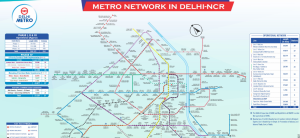
Delhi has one of the largest and most efficient metro networks in India, connecting millions of commuters every day. As the National Capital Region continues to expand, the need for better public transport has become even more important. This is where Delhi Metro Phase 5 comes into the picture.
The new phase is expected to enhance last-mile connectivity, support growing residential and commercial clusters, reduce traffic congestion, and make daily commuting easier for residents. Along with transportation benefits, Phase 5 is also expected to create significant opportunities for real estate investors, developers, and homebuyers.
In this blog, let’s understand the proposed routes, station list, expected benefits, and how this metro expansion could reshape Delhi’s property market.
Quick Answer
Delhi Metro Phase 5 is the upcoming expansion of the Delhi Metro network designed to improve connectivity between emerging residential hubs, commercial districts, and existing metro corridors. The project is expected to strengthen public transportation, reduce travel time, boost property values around metro stations, and encourage planned urban development across Delhi-NCR.
Also Read:- Delhi Metro Pink Line Route: Station List | Opening Date | Route | News
Delhi Metro Phase 5: An Overview
| Particular | Details |
|---|---|
| Project Name | Delhi Metro Phase 5 |
| Executing Agency | Delhi Metro Rail Corporation (DMRC) |
| Purpose | Expansion of Delhi Metro Network |
| Focus Areas | Improved Connectivity, Reduced Congestion, Transit-Oriented Development |
| Expected Beneficiaries | Daily Commuters, Businesses, Property Buyers, Developers |
Why is Delhi Metro Phase 5 Important?
Delhi Metro has transformed urban transportation over the past two decades. However, many developing neighbourhoods still depend heavily on road transport.
Phase 5 aims to:
- Improve connectivity to newly developed areas.
- Reduce dependence on private vehicles.
- Integrate existing metro corridors.
- Support sustainable urban growth.
- Increase accessibility to employment hubs.
- Encourage planned residential development.
Also read:- Delhi Metro Blue Line 2026: Station | Route | Maps | Timings
Proposed Routes Under Delhi Metro Phase 5
Although detailed alignments may evolve as approvals progress, the proposed expansion primarily focuses on extending metro connectivity to underserved and rapidly developing areas.
Some expected objectives include:
Extension of Existing Metro Corridors
Several operational metro lines are expected to receive extensions to improve connectivity between outer Delhi and central business districts.
Better NCR Connectivity
The expansion may improve links between Delhi and nearby NCR regions, making intercity travel more convenient.
Connecting New Residential Areas
Growing housing clusters on the outskirts of Delhi are expected to benefit from direct metro access.
Commercial Hub Integration
Business districts and employment centres are likely to witness improved public transport accessibility.
AlsoRead:- Delhi Cantt: Metro Station List | Nearest Metro | Base Hospital
Expected Station List
The final station list will be announced after project approvals and detailed planning. However, Phase 5 is expected to include stations across:
- Emerging residential neighbourhoods
- Commercial districts
- Transit interchange locations
- Urban expansion corridors
- High-density population zones
New interchange stations will also help passengers switch between different metro lines with greater convenience.
Major Benefits of Delhi Metro Phase 5
Reduced Travel Time
Improved connectivity will shorten commuting time across several parts of Delhi-NCR.
Better Public Transport
Residents will have greater access to reliable, affordable, and environmentally friendly transportation.
Lower Traffic Congestion
More commuters shifting to metro travel can reduce road traffic and pollution.
Economic Development
Improved infrastructure often attracts businesses, retail establishments, and employment opportunities.
Sustainable Urban Growth
Metro-led development supports compact, planned, and environmentally sustainable cities.
Also read:- Best Places to Rent Near Delhi Metro’s Blue Line
Real Estate Opportunities Around Delhi Metro Phase 5
Infrastructure development has historically influenced property demand, and metro connectivity remains one of the strongest growth drivers.
Higher Residential Demand
Homebuyers generally prefer locations with easy metro access due to convenience and improved daily commuting.
Appreciation in Property Prices
Properties situated near metro stations often experience stronger long-term appreciation compared to less connected locations.
Rental Growth
Working professionals and students usually prefer homes near metro stations, increasing rental demand.
Commercial Expansion
Retail spaces, office developments, restaurants, and service businesses often emerge around metro corridors.
Better Livability
Metro connectivity enhances accessibility to schools, hospitals, shopping centres, and workplaces, making neighbourhoods more attractive.
Also read:- Delhi Mumbai Expressway: Route Map | Status | Village List | News
Buyer Insights
Before investing near upcoming metro corridors:
- Verify project approvals and official notifications.
- Check the distance between the property and the nearest proposed station.
- Evaluate surrounding social infrastructure.
- Study future development plans for the locality.
- Consider long-term investment potential rather than short-term speculation.
Challenges That May Affect the Project
Like every large infrastructure project, Phase 5 may face certain challenges:
- Land acquisition requirements
- Environmental clearances
- Budget approvals
- Construction timelines
- Traffic management during execution
These factors can influence the overall completion schedule.
Also read:- Delhi & Jaipur Expressway: Route Map | Opening Date | Distance | News
Why Buyers Choose Housiey
Finding the right property near upcoming infrastructure projects requires accurate information and trusted guidance.
Housiey connects homebuyers directly with reputed builders without sharing their contact details with multiple brokers. This ensures a transparent, hassle-free, and efficient home-buying experience while helping buyers explore projects in well-connected locations.
Conclusion
Delhi Metro Phase 5 represents another significant milestone in the city’s urban infrastructure journey. By expanding connectivity, improving accessibility, and encouraging transit-oriented development, the project is expected to benefit commuters, businesses, and the real estate sector alike.
For homebuyers and investors, metro connectivity often serves as a long-term value driver. While the final routes and station list will become clearer after official approvals, keeping track of these developments can help buyers make informed property decisions.
Also read:- Best Places to Rent Near Delhi Metro’s Blue Line
Key Takeaways
- Delhi Metro Phase 5 aims to expand connectivity across growing parts of Delhi-NCR.
- The project is expected to reduce travel time and improve public transportation.
- Several existing metro corridors may receive extensions.
- New stations are likely to support residential and commercial growth.
- Metro connectivity generally improves property demand and rental potential.
- Buyers should always rely on officially approved project information before investing.
- Infrastructure-led development often contributes to long-term real estate appreciation.
Sources
- Delhi Metro Rail Corporation (DMRC)
- Ministry of Housing and Urban Affairs (Government of India)
- Delhi Development Authority (DDA)
- National Capital Region Planning Board (NCRPB)
- Delhi Government Infrastructure Updates
- Press Information Bureau (PIB)
- Government notifications and official planning documents
- Publicly available urban transport and infrastructure reports
FAQs
Delhi Metro Phase 5 is the proposed next stage of metro expansion aimed at improving connectivity across Delhi and surrounding NCR regions. It focuses on serving developing residential and commercial areas.
The Delhi Metro Rail Corporation (DMRC) is expected to execute the project. It is responsible for planning, construction, and operations of the Delhi Metro network.
The final station list will be confirmed after official approvals and detailed planning. Changes may occur before construction begins.
It will improve urban mobility, reduce congestion, and support planned development. Better connectivity also benefits businesses and residents.
Metro connectivity has historically supported property appreciation in many areas. However, actual price growth depends on multiple market factors.
It may create long-term investment opportunities around upcoming metro corridors. Investors should always conduct proper due diligence before purchasing.
Emerging residential zones, commercial hubs, and developing suburbs are expected to benefit significantly. Final impact depends on the approved routes.
Yes, additional interchange stations are expected wherever required. These will improve connectivity between metro corridors.
Yes, properties near metro stations generally attract more tenants due to easier commuting. Rental demand often increases in well-connected neighbourhoods.
The expansion is expected to encourage greater use of public transport. This may reduce congestion on major roads over time.
Yes, improved accessibility often attracts offices, retail outlets, and commercial developments. Increased footfall can support business growth.
Greater metro usage can reduce dependence on private vehicles. This contributes to lower fuel consumption and reduced emissions.
They should verify official project details and study surrounding infrastructure. Long-term planning is essential for better investment decisions.
Yes, it generally provides faster access to workplaces, schools, hospitals, and shopping destinations. This enhances everyday convenience.
Commercial spaces near metro stations often experience higher demand. Better accessibility attracts customers and businesses alike.
Land acquisition, funding, approvals, and construction timelines may affect implementation. Large infrastructure projects often face such challenges.
The decision depends on individual investment goals and risk tolerance. Buyers should carefully evaluate official project progress before making a purchase.
Metro projects encourage planned growth around transit corridors. This helps create more sustainable and accessible cities.
Working with trusted real estate platforms and verifying official government information can help buyers make informed decisions. Proper research always reduces investment risk.

Ayush Oswal is an SEO Executive at Housiey, specializing in optimizing real estate content for better visibility and engagement. With a strong understanding of SEO strategies and the property market, he ensures that every blog helps homebuyers make informed decisions while performing well on search engines.
Related Stories