

Timber in Homes in 2026: Meaning | Types | Everyday Uses
-
By Ayush Oswal
- July 2, 2026
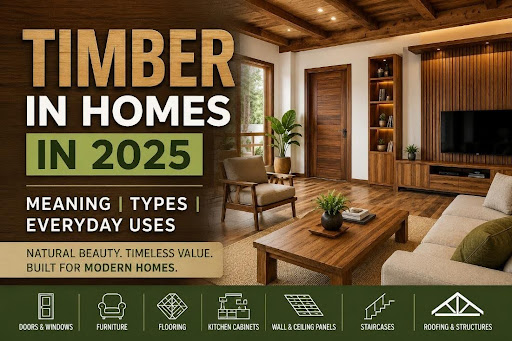
Introduction :
Whether you’re building a new house, renovating your interiors, or buying a ready-to-move apartment, you’ll often come across the term timber. From elegant wooden flooring and stylish modular kitchens to sturdy doors and premium furniture, timber plays a significant role in modern homes.
In 2026, homeowners are increasingly choosing timber because it combines timeless beauty with functionality. With sustainable construction becoming a growing trend, responsibly sourced timber has become one of the most preferred materials in residential projects.
This guide explains the meaning of timber, its different types, advantages, disadvantages, and everyday uses in homes.
Also read:- 10 Home Decor Trends Taking Over Indian Homes in 2026
Quick Answer
Timber is one of the oldest and most widely used natural building materials in residential construction. In 2026, it continues to be a preferred choice for doors, windows, flooring, furniture, roofing, modular interiors, and decorative finishes because of its durability, aesthetic appeal, sustainability, and versatility.
What is Timber?
Timber refers to wood that has been processed and prepared for use in construction, furniture, and interior applications. Unlike raw wood directly obtained from trees, timber undergoes seasoning, cutting, and treatment to improve its strength, durability, and resistance to moisture, insects, and decay.
Timber is available in various grades and sizes depending on its intended purpose, making it suitable for both structural and decorative applications.
Types of Timber Used in Homes
Different types of timber serve different purposes depending on strength, appearance, and budget.
Hardwood Timber
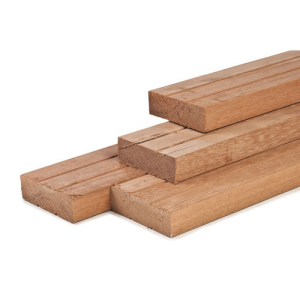
Hardwood comes from slow-growing deciduous trees and is known for its strength and durability.
Common examples include:
- Teak
- Oak
- Walnut
- Mahogany
- Maple
Best suited for:
- Premium furniture
- Flooring
- Doors
- Staircases
Also read:- What Are the Best Living Room Decor Ideas for 2026?
Softwood Timber
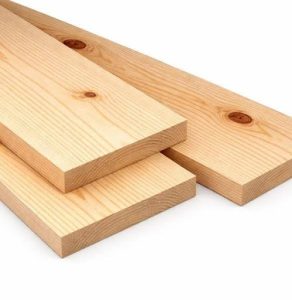
Softwood is obtained from evergreen coniferous trees and is lighter and easier to work with.
Popular varieties include:
- Pine
- Cedar
- Fir
- Spruce
Best suited for:
- Wall panels
- Roofing
- Cabinets
- Decorative elements
Engineered Timber
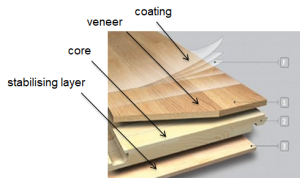
Engineered timber is manufactured by bonding layers of wood together under controlled conditions.
Examples include:
- Plywood
- Veneer
- MDF
- Laminated timber
Best suited for:
- Modular furniture
- Wardrobes
- Kitchen cabinets
- Interior partitions
Also read:- Buddha Statue for Home: Direction | Decoration | Placement | Tips
Everyday Uses of Timber in Homes
Timber is present in almost every part of a modern home.
Doors and Windows
Strong timber doors offer durability, security, and excellent insulation while enhancing the overall appearance of the home.
Furniture
Beds, dining tables, wardrobes, bookshelves, TV units, and study tables commonly use hardwood or engineered timber.
Flooring
Wooden flooring provides warmth, elegance, and long-lasting performance when properly maintained.
Kitchen Cabinets
Engineered timber products are widely used in modular kitchens because they offer good strength and a smooth finish.
Ceiling and Wall Panels
Decorative timber panels create a luxurious appearance while improving acoustic comfort.
Staircases
Premium homes often use hardwood timber for staircases due to its durability and classic appeal.
Roofing Structures
In villas and cottages, treated timber is commonly used for roof framing and exposed ceiling beams.
Also read:- Easy Small Pookalam Designs: Simple & Beautiful Ideas by Housiey
Advantages of Timber in Homes
Natural Beauty
Timber adds warmth, elegance, and a timeless aesthetic that suits both traditional and modern interiors.
Durable Material
Properly seasoned and treated timber can last for decades with regular maintenance.
Sustainable Option
Responsibly sourced timber is a renewable building material that supports environmentally conscious construction.
Easy to Work With
Timber can be cut, shaped, polished, painted, and customized for various interior designs.
Good Insulation
Wood naturally provides thermal and sound insulation, improving indoor comfort.
Also read:- Best Thiruvonam Pookalam Designs for Home in 2026
Disadvantages of Timber
Although timber offers numerous benefits, it also has some limitations.
- Requires regular maintenance
- Can be affected by moisture
- Vulnerable to termite attacks if untreated
- Premium hardwood varieties can be expensive
- May shrink or expand due to changing weather conditions
Proper treatment and periodic maintenance help overcome most of these issues.
How to Choose the Right Timber
When selecting timber for your home, consider the following factors:
- Identify whether it is for structural or decorative use.
- Choose hardwood for long-lasting furniture and flooring.
- Use engineered timber for modular interiors.
- Check moisture content and seasoning quality.
- Ensure the timber is sourced from certified and sustainable suppliers.
Timber Maintenance Tips
Keeping timber in good condition extends its lifespan and preserves its appearance.
- Clean wooden surfaces regularly with a soft cloth.
- Avoid prolonged exposure to water.
- Apply protective polish or coatings periodically.
- Inspect for termite activity every year.
- Repair minor scratches before they become severe.
Also read:- 7 Vastu Tips That Can Bring Wealth, Health and Happiness to Your Home
Timber Trends in 2026
Modern homes are adopting timber in more innovative ways.
- Sustainable and certified wood products are gaining popularity.
- Engineered timber is replacing traditional solid wood in modular furniture.
- Natural wood finishes are preferred over glossy coatings.
- Timber is increasingly combined with glass, stone, and metal for contemporary interiors.
- Smart homes are incorporating timber elements to create warmer living spaces.
Conclusion
Timber remains one of the most reliable and aesthetically pleasing materials used in homes in 2026. Whether it is premium hardwood furniture, modular kitchen cabinets, elegant flooring, or decorative wall panels, timber offers a perfect balance of durability, functionality, and natural beauty.
Choosing the right type of timber, ensuring proper treatment, and following regular maintenance practices can significantly increase its lifespan. For homeowners looking to create stylish and comfortable living spaces, timber continues to be an excellent long-term investment.
At Housiey, we help homebuyers make informed property decisions by providing valuable real estate insights and home improvement knowledge that simplify every stage of the home-buying journey.
Key Takeaways
- Timber is processed wood used in construction and interior applications.
- Hardwood, softwood, and engineered timber are the three major categories.
- Timber is widely used for furniture, flooring, doors, windows, and modular interiors.
- Proper treatment improves durability and termite resistance.
- Sustainable timber remains a popular choice for eco-friendly homes in 2026.
Sources
- Forest Survey of India (FSI)
- Indian Council of Forestry Research and Education (ICFRE)
- Ministry of Environment, Forest and Climate Change (Government of India)
- Bureau of Indian Standards (BIS)
- Food and Agriculture Organization (FAO)
- National Building Code of India
- Forest Research Institute (FRI)
- Central Public Works Department (CPWD)
FAQs
Timber is processed wood prepared for construction and interior applications. It is seasoned and treated to improve durability and performance.
Yes, timber is wood that has been processed for practical use. Raw wood becomes timber after suitable preparation.
Hardwood species like teak and oak are commonly preferred. They offer excellent strength and longevity.
Engineered timber is manufactured by bonding wood layers together. It provides stability and efficient use of natural resources.
Yes, responsibly sourced timber is considered a renewable material. Sustainable forestry practices further reduce environmental impact.
Timber is used in doors, windows, flooring, furniture, kitchens, and ceilings. It also appears in decorative wall panels and staircases.
Yes, regular cleaning and protective finishes help preserve timber. Periodic inspections also prevent pest-related damage.
Untreated timber can be affected by termites. Proper chemical treatment greatly reduces this risk.
Hardwood is generally stronger and more durable. Softwood is lighter, easier to work with, and often more affordable.
Yes, treated timber can be used outdoors. It must be protected against moisture and weather exposure.
Yes, timber flooring is durable and visually appealing. Proper maintenance helps it last for many years.
It offers dimensional stability and cost efficiency. It is widely used in modular furniture and cabinetry.
Yes, timber creates a warm and elegant appearance. It complements both modern and traditional interiors.
Yes, timber naturally offers thermal and sound insulation. This improves indoor comfort throughout the year.
Quality timber can last for several decades. Its lifespan depends on maintenance and environmental conditions.
The cost depends on the timber species and quality. Premium hardwoods usually cost more than engineered products.
Yes, timber accepts paints, stains, and polishes very well. Different finishes can enhance its appearance and protection.
They should verify seasoning quality, moisture content, and certification. Choosing the right grade is equally important.
Its durability, sustainability, and timeless appearance keep it in demand. Modern manufacturing has also improved its performance.
Yes, quality timber enhances both functionality and aesthetics. It can also contribute to the long-term value of a home.

Ayush Oswal is an SEO Executive at Housiey, specializing in optimizing real estate content for better visibility and engagement. With a strong understanding of SEO strategies and the property market, he ensures that every blog helps homebuyers make informed decisions while performing well on search engines.
Related Stories