

False Ceiling Design: Elevating Bedroom Spaces with Purpose and Precision
-
 By L. Sadriwala
- May 12, 2026
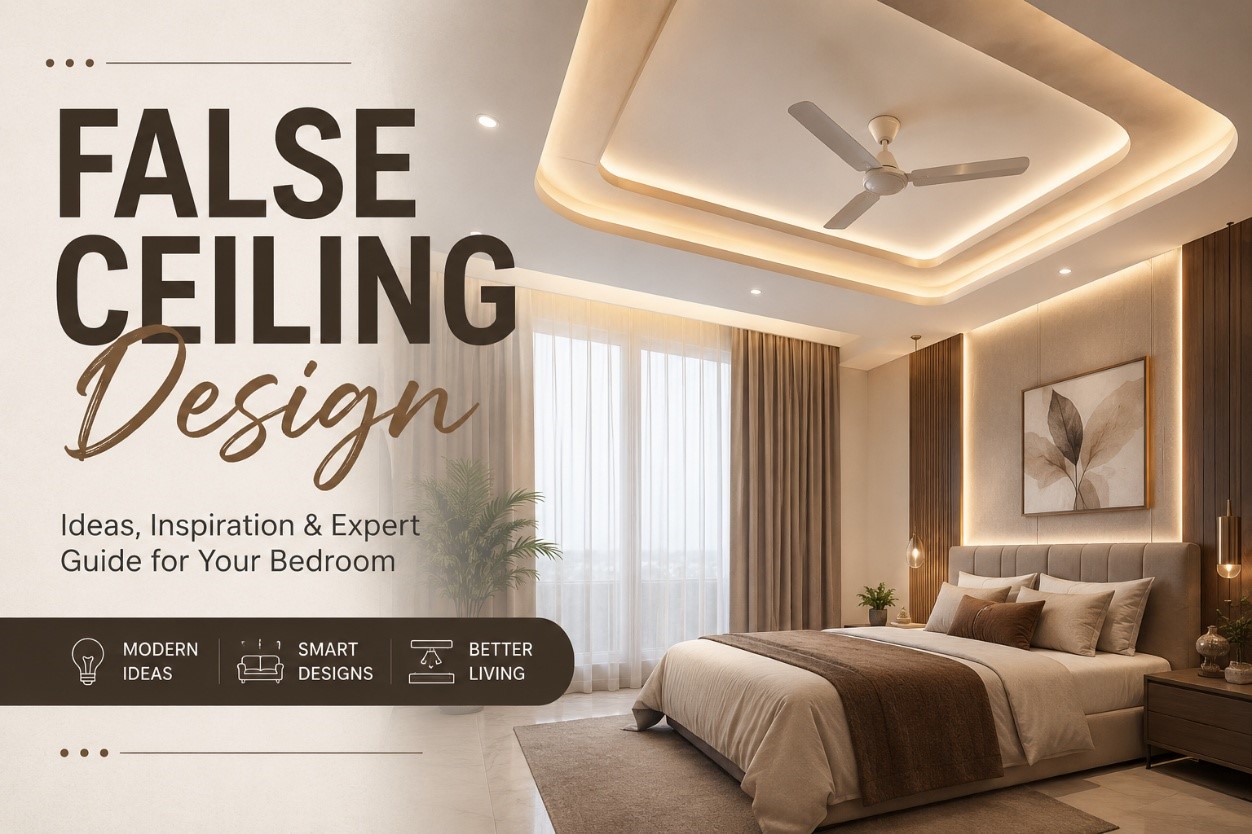
There’s a quiet shift that happens when a ceiling is designed well. The room feels more finished, the lighting becomes softer, and proportions start to make sense. False ceiling design is not just about adding layers; it’s about shaping how a bedroom functions and feels on a daily basis.
Whether you’re exploring a simple bedroom ceiling design or aiming for a luxury modern bedroom ceiling design, the difference lies in how thoughtfully the elements come together. A ceiling should never feel like an afterthought. It should feel like it belongs.
This guide goes deeper, adding structured insights, comparisons, and practical frameworks, so you can make more confident design decisions.
Also Read:- 8 Number Numerology: Home Decor | Benefits | And Many More
Why False Ceiling Design Works So Well in Bedrooms
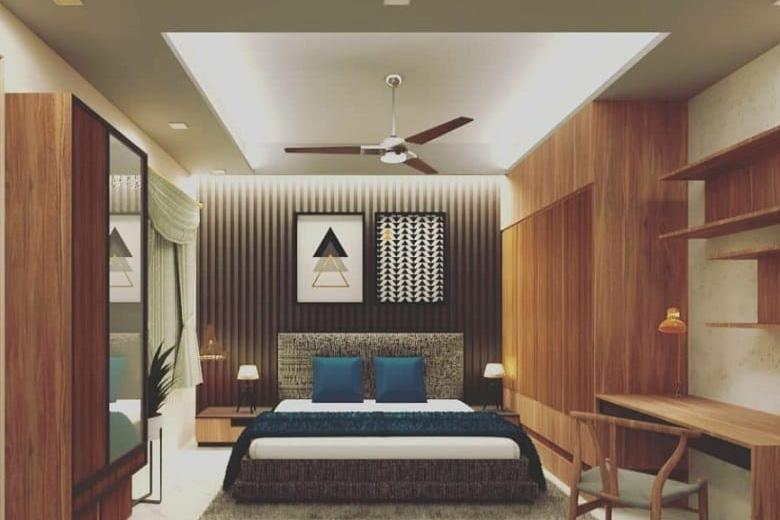
Bedrooms demand a certain kind of restraint. Unlike living rooms, where statement elements are expected, bedrooms benefit from subtlety.
A well-planned bedroom false ceiling design helps in distributing light evenly, hiding visual clutter like wiring, and creating a softer environment. It also allows you to control how “high” or “low” a room feels without altering the actual structure.
In many ways, the ceiling becomes the quiet anchor of the room.
Also Read:- Diwali Decor Ideas for Your Home: A Complete Guide
Types of Bedroom Ceiling Designs: A Clear Comparison
Instead of looking at designs in isolation, it helps to compare them side by side.
|
Design Type |
Best For | Key Features | Visual Impact |
Maintenance |
| Simple Bedroom Ceiling Design | Small to medium rooms | Single layer, cove lighting | Clean and minimal | Low |
| POP Design for Bedroom | Custom detailing | Curves, patterns, layered trays | Decorative and flexible | Moderate |
| Modern Bedroom Ceiling Design | Contemporary homes | Straight lines, hidden lighting | Sharp and refined | Low |
| Small Bedroom Ceiling Design | Compact spaces | Flat or minimal recessed | Light and airy | Very low |
| Luxury Modern Bedroom Ceiling Design | Large rooms | Multi-layered, mixed materials | Dramatic and rich | Higher |
This kind of clarity makes it easier to decide what actually fits your space instead of following trends blindly.
Design Approach Based on Room Size
Small Bedroom Ceiling Design
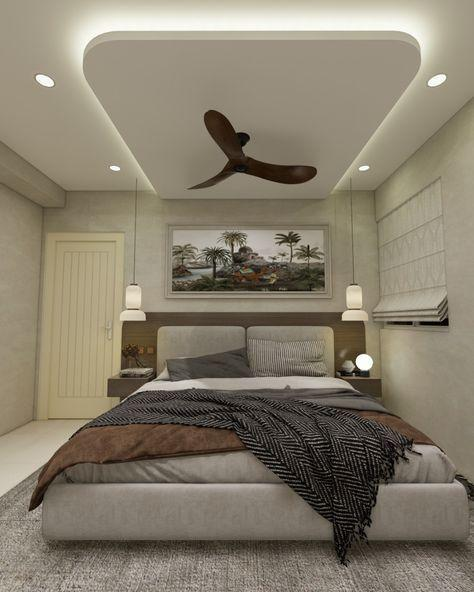
In smaller rooms, every design decision is amplified. A heavy ceiling can instantly make the room feel compressed.
A flat or lightly recessed ceiling with soft cove lighting works best. Keeping the design close to the edges instead of the center can also help maintain visual openness.
Also Read:- Which Direction Is Best for a Mandir at Home as per Vastu?
Medium-Sized Bedrooms
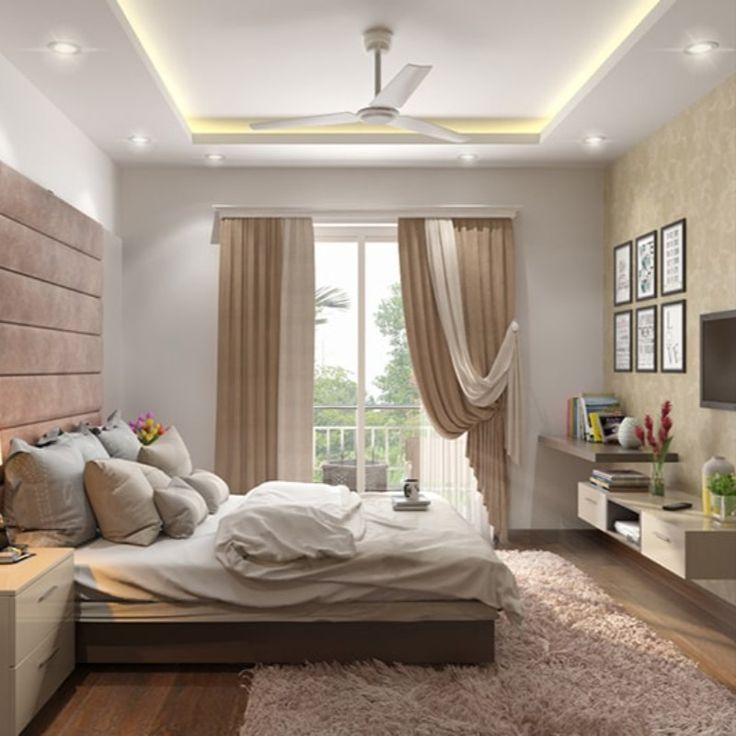
Here, you can start experimenting with layers. A central panel above the bed, combined with perimeter lighting, creates a balanced look.
A bedroom ceiling design with fan should ensure that the fan aligns with the central geometry rather than cutting through it awkwardly.
Large Bedrooms and Statement Ceilings
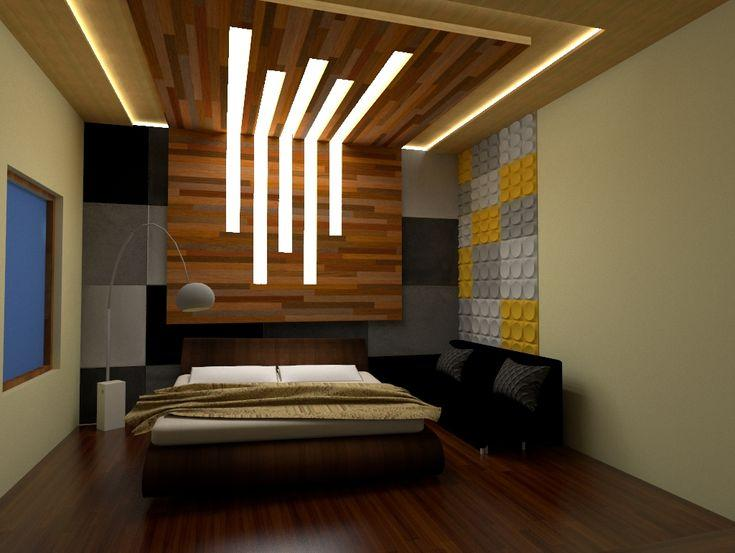
Large bedrooms can handle depth and variation. A luxury modern bedroom ceiling design might include multiple levels, textured finishes, and layered lighting.
But even here, restraint matters. Too many elements can dilute the impact instead of enhancing it.
POP vs Gypsum: A Practical Decision Table
Choosing between POP and gypsum is one of the most common dilemmas. Here’s a straightforward comparison:
| Factor | POP Ceiling | Gypsum Ceiling |
| Design Flexibility | High | Moderate |
| Installation Time | Longer | Faster |
| Finish | Smooth but labor-intensive | Uniform and clean |
| Cost | Slightly variable | More predictable |
| Durability | Strong with proper care | Lightweight and stable |
If your priority is intricate design, POP design for bedroom setups works well. If speed and clean finish matter more, gypsum is often the better choice.
Also Read:- Is It Lucky to Buy a New Home on Dhanteras as per Vastu?
Ceiling + Fan Integration: Getting It Right
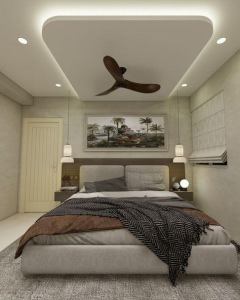
Fans are non-negotiable in most bedrooms, but integrating them into a design takes planning.
A pop fan ceiling design usually places the fan within a recessed or highlighted section. This keeps the design symmetrical and visually stable.
For the latest modern 2 ceiling fan POP design, spacing becomes crucial. Both fans should align with the ceiling pattern, not disrupt it.
Lighting Strategy: The Layering Principle
Lighting is not just an add-on, it’s part of the design.
Think of it in layers:
| Lighting Type | Purpose | Placement |
| Cove Lighting | Ambient glow | Along ceiling edges |
| Recessed Lights | Functional lighting | Evenly spaced across ceiling |
| Accent Lighting | Highlight features | Within panels or grooves |
A bedroom should never feel overlit. The goal is softness, not brightness.
Also Read:- Septic Tank Vastu: Correct Direction, Placement Rules & Powerful Vastu Remedies for a Peaceful Home
Material Combinations That Work Well
While single-material ceilings are common, combining materials adds depth.
| Combination | Effect |
| Gypsum + Wood | Warm and modern |
| POP + LED Strips | Decorative and layered |
| Neutral Paint + Texture Panels | Subtle but rich |
These combinations are especially effective in bedroom modern simple POP design setups where you want interest without clutter.
A Simple Planning Framework You Can Follow
Instead of jumping into design directly, it helps to think in steps:
Start with room size and ceiling height. Then decide the level of design complexity you want—minimal, moderate, or layered. After that, plan lighting positions before finalizing the design. Finally, integrate functional elements like fans.
This sequence avoids the most common mistakes.
Also Read:- Best Low-Cost Normal Front Elevation Designs for House in 2025-26
Common Mistakes That Can Ruin a Good Ceiling
Overdesigning small rooms is one of the biggest issues. Another is placing lights without considering how they will actually be used.
Ignoring fan alignment can break the entire visual flow. Choosing materials without understanding maintenance requirements can also lead to long-term issues.
A ceiling should feel effortless, even when it’s carefully planned.
What’s Trending Right Now in Bedroom Ceiling Design
Design trends are moving towards clarity and intention. Minimal layered ceilings with hidden lighting are dominating.
Geometric layouts are becoming more refined, and mixed materials are being used more subtly. The focus is less on decoration and more on experience.
Even in luxury modern bedroom ceiling design, the trend is shifting toward controlled elegance rather than excess.
Also Read:- Diljit Dosanjh House Tour: Address | Properties | Cars | News
Key Takeaways
- False ceiling design plays a critical role in shaping bedroom comfort and visual balance. Simpler designs often work better in smaller spaces, while layered ceilings suit larger rooms.
- Lighting should be planned alongside the structure, not added later. Fan integration must be seamless to maintain both aesthetics and function.
- Material selection affects durability, cost, and finish quality. The most successful designs are those that feel intentional, balanced, and easy to live with.
Conclusion
A false ceiling is not just an added layer; it’s a design decision that quietly shapes how your bedroom looks, feels, and functions. From a simple bedroom ceiling design that keeps things clean and breathable to a luxury modern bedroom ceiling design that introduces depth and character, the right approach always comes down to balance.
What truly makes a difference is not how elaborate the ceiling is, but how well it responds to the room. Proportion, lighting, and material choice need to work together rather than compete. A well-integrated bedroom ceiling design with fan, thoughtfully placed lighting, and a restrained use of elements can elevate even the most compact space.
In the end, the most effective ceiling designs are the ones that don’t demand attention but enhance the experience of the room. When done right, a false ceiling doesn’t just complete a bedroom, it refines it.
Sources
- Saint-Gobain Gyproc India – Residential gypsum ceiling design guidelines and installation practices.
- Asian Paints – Interior ceiling color combinations, lighting concepts, and bedroom ceiling design insights.
- Armstrong World Industries – Technical references on suspended and false ceiling systems.
- USG Boral – Information on gypsum board ceilings, durability, and maintenance standards.
- The Spruce – Interior décor insights on modern bedroom ceiling design trends and lighting balance.
- Architectural Digest India – Contemporary bedroom ceiling design ideas and material trends.
- Nerolac Paints – Ceiling paint finish recommendations and visual space enhancement techniques.
- Civil engineering and construction reference manuals – Technical understanding of POP, gypsum, and suspended ceiling structures.
- Interior design handbooks and residential planning references – Guidance on lighting placement, ceiling proportions, and material combinations.
FAQs
- A minimal layered ceiling with soft lighting works best for most bedrooms. It balances aesthetics with comfort.
- Yes, POP allows detailed customization and flexible designs. It is widely used for bedroom ceilings.
- Simple and flat designs with minimal detailing are ideal. They help maintain a sense of space.
- Yes, but it must be securely mounted to the main ceiling. Proper alignment is important.
- It features clean lines, geometric shapes, and concealed lighting. The design is minimal yet refined.
- Costs depend on materials and design complexity. Gypsum and POP are generally affordable.
- Yes, it provides insulation and reduces heat. This improves indoor comfort.
- POP allows intricate designs, while gypsum offers a smoother finish. Both are commonly used.
- Use a mix of ambient and functional lighting. Avoid overly bright setups in bedrooms.
- It integrates a fan within a decorative ceiling layout. This maintains visual balance.
- Yes, in larger rooms. Proper spacing and symmetry are essential.
- Light and neutral shades work best. They create a calming effect.
- It can last many years with proper maintenance. Material quality matters.
- Minimal maintenance is needed. Regular cleaning is usually enough.
- Yes, wood adds warmth and texture. It enhances modern designs.
- It is a minimal POP ceiling with subtle detailing. The focus is on simplicity.
- Some materials are more sustainable than others. Gypsum is considered relatively eco-friendly.
- Use light colors and minimal layers. Proper lighting also helps.
- Minimal layered designs with hidden lighting are trending. The focus is on subtlety.
- Yes, they improve acoustics by absorbing sound. This creates a quieter space.
L. Sadriwala is the Editor-in-Chief at Housiey, with a professional writing career spanning since 2015. Coming from a family of real estate developers, her deep-rooted industry understanding naturally shaped her focus on real estate content, where she combines domain knowledge with clear, reader-first writing.
She specializes in simplifying complex property concepts — from housing policies and market trends to builder reviews and project insights — into accurate, easy-to-understand guidance for homebuyers and investors.
At Housiey, every article by L. Sadriwala is built on thorough research and verified facts. Her goal is straightforward: to empower homebuyers and investors with reliable, trustworthy information that helps them make confident property decisions.
Related Stories