
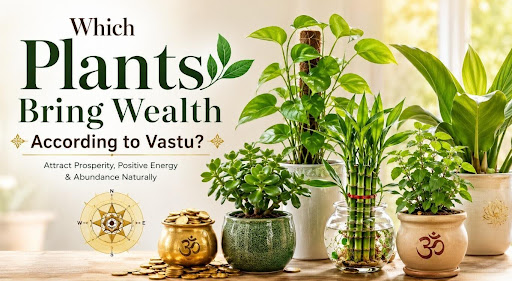
Which Plants Bring Wealth According to Vastu?
-
By Ayush Oswal
- June 9, 2026
Quick Answer
According to Vastu Shastra, certain plants are believed to attract prosperity, financial stability, positive energy, and abundance into a home. Some of the most popular wealth-attracting plants include the Money Plant, Lucky Bamboo, Jade Plant, Tulsi, Banana Plant, Ashoka Tree, Citrus Plants, and Shami Plant. However, Vastu emphasizes not just the plant itself but also its placement, maintenance, and overall health. A healthy plant symbolizes growth, while a dried or neglected plant is believed to attract stagnant energy.
Introduction
For centuries, Indians have relied on Vastu Shastra to create harmonious living spaces that promote happiness, health, and prosperity. While Vastu often focuses on directions, room placements, and architectural layouts, nature plays an equally important role in balancing energies within a home.
Plants are considered living sources of positive energy. They purify the air, improve aesthetics, reduce stress, and according to Vastu principles, can also help attract wealth and financial growth. Certain plants are believed to enhance the flow of positive vibrations and strengthen the prosperity zone of a house.
In modern urban homes, where gardens are becoming a luxury, indoor plants have emerged as an easy and affordable way to incorporate Vastu principles. Whether you live in a compact apartment or a sprawling villa, choosing the right plants and placing them correctly can contribute to a more positive and abundant environment.
This guide explores the best Vastu plants associated with wealth and prosperity, their ideal locations, benefits, and common mistakes homeowners should avoid.
Market Snapshot Table
| Aspect | Details |
|---|---|
| Traditional Practice | Vastu Shastra |
| Primary Purpose | Attract prosperity and positive energy |
| Most Popular Wealth Plant | Money Plant |
| Best Indoor Wealth Plants | Money Plant, Jade Plant, Lucky Bamboo |
| Best Outdoor Wealth Plants | Banana Plant, Ashoka Tree, Coconut Tree |
| Ideal Wealth Direction | Southeast and North |
| Avoid Placement In | Bathrooms, cluttered corners, dark spaces |
| Maintenance Requirement | Regular watering and pruning |
| Symbolism | Growth, abundance, stability, and financial success |
Why Are Plants Important in Vastu?
According to Vastu Shastra, plants act as natural energy generators. They absorb negative vibrations and release positive energy into the surroundings.
Plants are associated with:
- Growth and Expansion
Just as a plant grows continuously, it symbolizes steady progress in life and finances.
- Positive Energy Flow
Greenery is believed to improve the flow of positive cosmic energy within a home.
- Financial Stability
Certain plants are traditionally linked with wealth accumulation and career advancement.
- Mental Well-Being
Healthy plants create a calm environment that supports better decision-making and productivity.
Money Plant – The Ultimate Symbol of Prosperity
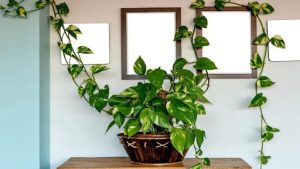
The Money Plant is perhaps the most famous Vastu plant associated with wealth and abundance.
Why Is It Considered Lucky?
According to Vastu beliefs, the Money Plant attracts financial growth, opportunities, and stability.
Best Placement
- Southeast direction
- Living room
- Balcony
- Indoor corners with indirect sunlight
Benefits
- Enhances positive energy
- Symbolizes continuous financial growth
- Improves indoor aesthetics
- Easy to maintain
What to Avoid?
Never allow the Money Plant to touch the ground. Vastu experts believe this may lead to financial losses. Want to discover why the Money Plant is considered one of the most powerful symbols of wealth and prosperity? Read our detailed guide on Money Plant Vastu benefits, placement tips, and common mistakes to avoid.
Lucky Bamboo Plant
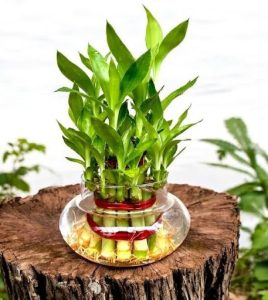
The Lucky Bamboo is widely used in both Vastu and Feng Shui for attracting prosperity and good fortune.
Why Is It Important?
The plant represents resilience, growth, and stability.
Ideal Placement
- East direction
- Southeast direction
- Work desk
- Living room
Benefits
- Encourages career growth
- Enhances prosperity
- Promotes harmony among family members
- Creates a peaceful environment
Curious about how the Lucky Bamboo Plant can attract prosperity, harmony, and positive energy into your home? Explore our complete Lucky Bamboo guide for Vastu tips, ideal placement, and wealth-enhancing benefits.
Jade Plant
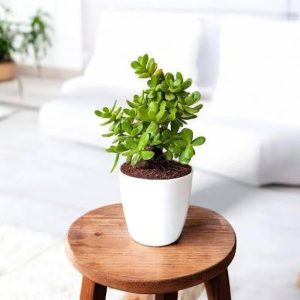
Often called the “Money Tree,” the Jade Plant is associated with wealth and business success.
Why Is It Considered Wealth-Giving?
Its round leaves resemble coins, making it a symbol of financial abundance.
Ideal Placement
- Near the entrance
- Southeast corner
- Office desk
Benefits
- Encourages business growth
- Attracts financial opportunities
- Symbolizes wealth accumulation
Tulsi Plant
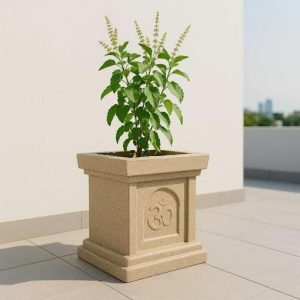
Tulsi holds immense spiritual significance in Indian households.
Why Is Tulsi Important?
It is believed to attract divine blessings and positive vibrations.
Best Placement
- North
- Northeast
- East
Benefits
- Purifies the environment
- Promotes peace and prosperity
- Enhances spiritual well-being
- Creates a positive atmosphere
Important Note
Tulsi should never be placed in the south direction according to traditional Vastu beliefs.
Banana Plant
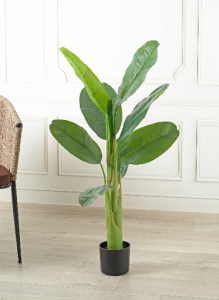
The Banana Plant is considered highly auspicious and is often associated with prosperity and religious ceremonies.
Ideal Placement
- Northeast direction
- Garden area
Benefits
- Attracts abundance
- Enhances spiritual energy
- Symbolizes growth and fertility
Additional Significance
Banana leaves are frequently used in Hindu rituals and festivals.
Shami Plant
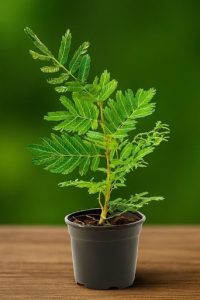
The Shami Plant holds special significance in Indian traditions and Vastu.
Why Is It Associated With Wealth?
It is believed to remove obstacles and improve financial stability.
Best Placement
- West direction
- Garden
- Balcony
Benefits
- Reduces negative influences
- Encourages financial progress
- Supports career growth
Ashoka Tree
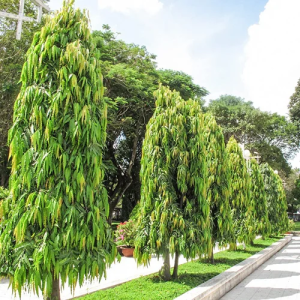
The Ashoka Tree is considered a symbol of happiness and prosperity.
Ideal Placement
- Near the entrance
- Garden area
Benefits
- Brings positivity
- Enhances property aesthetics
- Creates a peaceful environment
Vastu Significance
The tree is believed to reduce stress and attract positive vibrations.
Citrus Plants (Lemon and Orange)
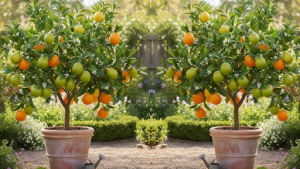
Fruit-bearing plants symbolize abundance and success.
Best Placement
- North direction
- East direction
Benefits
- Attract prosperity
- Promote family harmony
- Symbolize growth and fertility
Additional Advantage
These plants add freshness and fragrance to the surroundings.
Coconut Tree
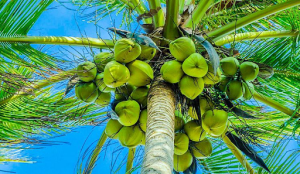
The Coconut Tree is considered one of the most auspicious trees in Vastu.
Best Placement
- West direction
- Southwest area of large plots
Benefits
- Enhances prosperity
- Protects the home from negative influences
- Symbolizes long-term stability
Areca Palm
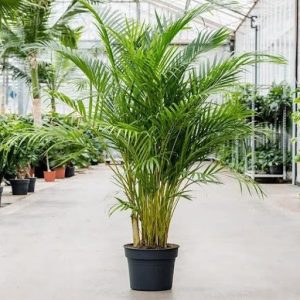
The Areca Palm is becoming increasingly popular in modern apartments.
Best Placement
- Living room
- Northeast corner
Benefits
- Improves air quality
- Promotes positive energy
- Creates a welcoming atmosphere
Buyer Insights
Modern homebuyers are increasingly integrating Vastu principles into their property decisions. Along with checking project layouts, entrance directions, and room placements, many buyers are now focusing on landscaping and indoor greenery.
Developers across major cities like Mumbai, Pune, Bengaluru, and Hyderabad are incorporating Vastu-friendly gardens, meditation zones, herbal plantations, and green spaces into residential communities. As sustainability and wellness become priorities, plants that align with Vastu principles are gaining popularity among homebuyers seeking a balanced lifestyle.
Plants You Should Avoid According to Vastu
While many plants are considered beneficial, some are traditionally discouraged.
- Cactus
Believed to create conflicts and obstacles.
- Bonsai Plants
Associated with restricted growth and stagnation.
- Dead or Dried Plants
Considered symbols of negative energy.
- Thorny Plants
Except roses, thorny plants are generally avoided indoors.
- Artificial Plants
Vastu emphasizes living plants rather than decorative artificial greenery.
Common Vastu Tips for Wealth-Attracting Plants
Keep Plants Healthy
Healthy plants symbolize growth and prosperity.
Remove Dead Leaves Immediately
Dried leaves are believed to create stagnant energy.
Avoid Overcrowding
Too many plants can create imbalance and clutter.
Ensure Adequate Sunlight
Natural light helps maintain positive energy.
Use Clean Pots
Broken or damaged pots should be replaced promptly.
Why Buyers Choose Housiey
Buying a home involves much more than selecting a location and budget. Modern buyers often consider lifestyle factors, community planning, green spaces, and Vastu compatibility before making a decision.
Housiey helps homebuyers connect directly with builders, explore verified residential projects, compare amenities, and make informed property decisions without unnecessary complications. Whether you are looking for a Vastu-friendly apartment or a spacious villa with landscaped gardens, Housiey simplifies the home-buying journey through expert guidance and verified project information.
Conclusion
Plants have always held a special place in Indian homes, not only for their beauty but also for their symbolic connection to prosperity and well-being. According to Vastu Shastra, plants such as the Money Plant, Lucky Bamboo, Jade Plant, Tulsi, Banana Plant, and Shami Plant are believed to attract positive energy, financial stability, and abundance when placed correctly.
However, Vastu is not merely about placing a plant in a specific direction. The health, cleanliness, and maintenance of the plant play an equally important role. A thriving plant represents growth, progress, and prosperity, while neglected greenery may symbolize stagnation.
Whether you believe strongly in Vastu principles or simply enjoy incorporating nature into your living space, these plants can enhance both the aesthetic appeal and positive atmosphere of your home.
Key Takeaways
- Money Plant is the most popular Vastu plant associated with wealth and prosperity.
- Lucky Bamboo and Jade Plant are widely believed to attract financial growth.
- Tulsi promotes spiritual positivity and overall well-being.
- Banana and Coconut trees are considered highly auspicious in traditional Vastu.
- Proper placement is as important as selecting the right plant.
- Healthy and well-maintained plants symbolize growth and abundance.
- Dead, dried, or damaged plants should be removed immediately.
- Bonsai and cactus plants are generally discouraged in Vastu.
- Indoor greenery improves both aesthetics and environmental quality.
- Combining Vastu principles with modern landscaping can create a balanced living environment.
FAQs
- The Money Plant is widely considered the luckiest plant for attracting prosperity and financial growth. It is commonly placed in the southeast corner of homes and offices.
- The southeast direction is considered ideal for a Money Plant. This direction is associated with wealth and financial stability.
- Yes, a Money Plant can be kept in a bedroom if it receives adequate indirect sunlight. Proper maintenance is important to preserve positive energy.
- Lucky Bamboo is believed to attract prosperity, success, and career advancement. It is often placed in living rooms and workspaces.
- The east and southeast directions are generally considered favorable. These directions are associated with growth and abundance.
- Yes, the Jade Plant is often associated with business success and financial opportunities. Many entrepreneurs keep it near office entrances.
- Tulsi is primarily associated with positivity and spiritual well-being. It is also believed to contribute to overall prosperity and harmony.
- The north, east, and northeast directions are considered ideal. These areas are associated with positive and spiritual energies.
- Yes, the Banana Plant is regarded as highly auspicious in Indian traditions. It symbolizes abundance, fertility, and prosperity.
- Traditional Vastu recommendations generally discourage keeping cactus plants indoors. They are believed to create obstacles and negative vibrations.
- Bonsai plants are often associated with restricted growth because of their miniature form. Therefore, they are usually avoided in Vastu-oriented homes.
- Dead or dried plants should be removed promptly. Replacing them with healthy plants helps maintain a positive environment.
- The Shami Plant is believed to remove obstacles and encourage financial stability. It is considered auspicious in several Indian traditions.
- Yes, multiple Vastu-friendly plants can be maintained together. However, overcrowding should be avoided to maintain balance and aesthetics.
- Citrus plants such as lemon and orange are often considered auspicious. They symbolize abundance, growth, and prosperity.
- Yes, Areca Palm is commonly recommended for creating positive energy. It also improves indoor air quality.
- Yes, healthy and thriving plants are considered symbols of growth and prosperity. Neglected plants may create stagnant energy according to traditional beliefs.
- Artificial plants are generally not recommended because they do not represent living energy. Vastu emphasizes the importance of natural greenery.
- The Coconut Tree is regarded as one of the most auspicious trees in Vastu. It symbolizes protection, prosperity, and long-term stability.
- Vastu plants are traditionally believed to enhance positive energy and prosperity. However, financial success ultimately depends on factors such as planning, effort, skills, and opportunities.

Ayush Oswal is an SEO Executive at Housiey, specializing in optimizing real estate content for better visibility and engagement. With a strong understanding of SEO strategies and the property market, he ensures that every blog helps homebuyers make informed decisions while performing well on search engines.
Related Stories