

5 Genius Ways to Make Your Home Feel Huge & Welcoming
-
 By L. Sadriwala
- October 29, 2025
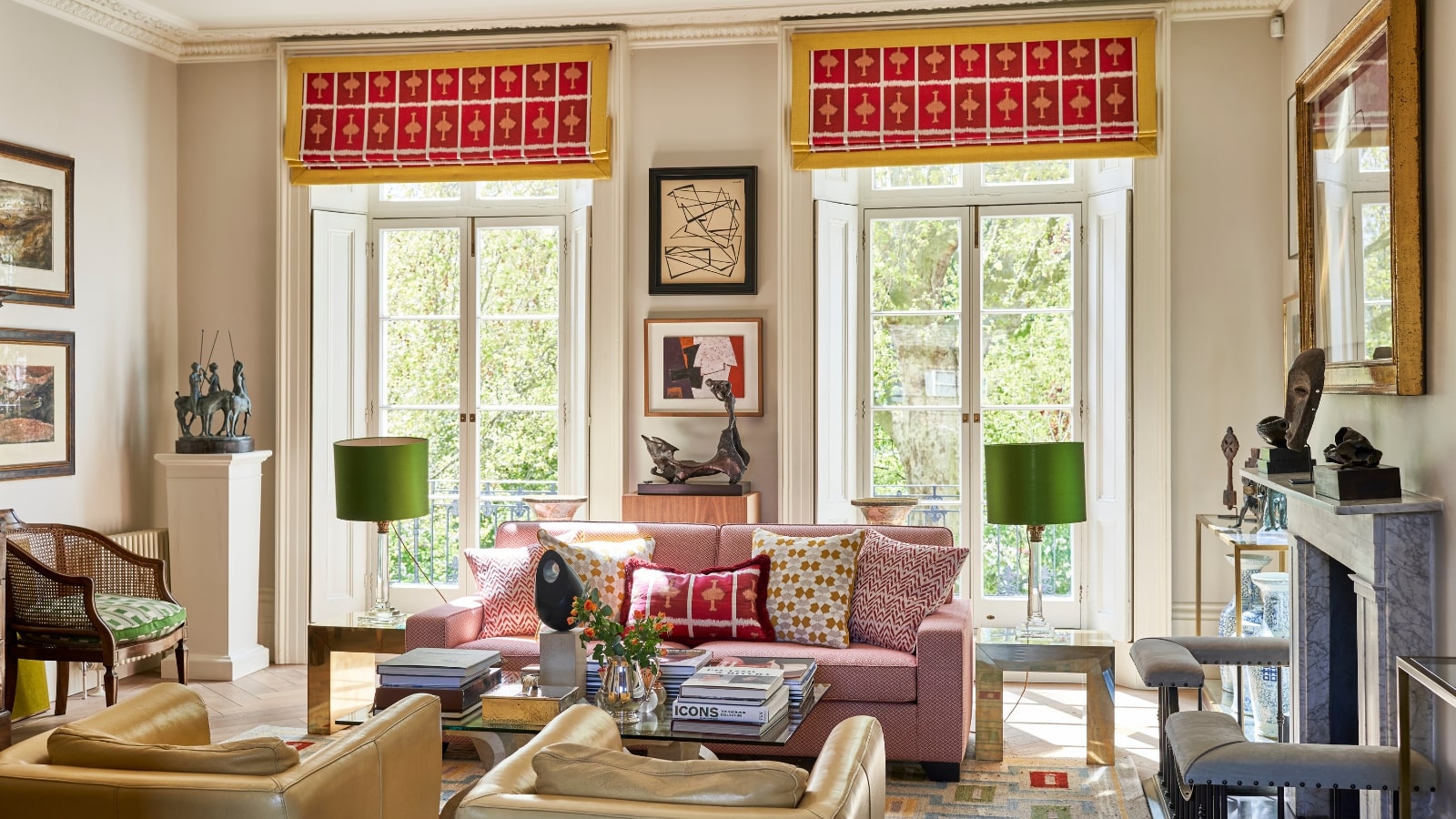
When it comes to home interiors, space is one of the most desired luxuries. But with urban apartments getting smaller by the day, most homeowners are looking for genius ways to make a small home look bigger and more inviting. The good news is that you don’t need to break walls or spend lavishly to achieve this. Through clever design strategies, intelligent color choices, furniture placement, and lighting, you can make a small house feel spacious while also maintaining warmth and comfort.
Whether you live in a compact city apartment or a cozy suburban home, these small home design tips will help you unlock every inch of space, visually expand your interiors, and create that airy, open vibe you’ve always wanted.
Also Read:- Vastu Color Guide Perfect House Colors & Main Gate Color Tips
How Can You Maximize Light to Make Your Home Feel Larger and Brighter?

Light plays a critical role in how we perceive space. The right lighting can transform even the smallest room into an open, breezy haven.
Natural Light: The Real Game-Changer
- Natural light instantly opens up a space. Keep windows uncovered or use sheer curtains to let sunlight flood in.
- Large windows or French doors can visually connect indoor and outdoor spaces, helping make a small home look bigger.
Artificial Lighting for Dimension
- Layered lighting (ambient, task, and accent) ensures your space looks bright and balanced.
- Use recessed ceiling lights or wall-mounted lamps instead of floor lamps to save floor space.
- Warm LED lights add coziness, while cooler tones enhance brightness and clarity.
Reflective Surfaces Amplify Light
- Mirrors are a timeless trick. Strategically placing mirrors to make a room look bigger by reflecting both natural and artificial light can double the perceived space.
- Metallic or glossy finishes on furniture and décor can help bounce light around.
In short, lighting to make a home feel larger isn’t just about brightness—it’s about depth, warmth, and visual continuity.
Also Read:- House Colour Combinations for Outside Walls in 2025-26
How Can Colors and Textures Transform the Perception of Space?

Colors are powerful psychological tools that affect how we feel within a room. The right palette can completely change the scale of your interiors.
Go for Light and Neutral Colors
- Neutral colors for a spacious feel like off-white, beige, taupe, or light gray can make walls recede visually, opening up the space.
- These tones create a calming, airy backdrop, allowing the mind to perceive openness.
Play with Monochromatic Palettes
- A single color theme with varying tones adds sophistication while avoiding visual clutter.
- Lighter shades of blues, greens, or creams work beautifully for compact homes.
Smart Use of Accent Walls
- If you love color, use it sparingly. One accent wall in a pastel hue or a vertical pattern can elongate the room.
- Avoid dark shades on every wall, as they absorb light and make the area feel smaller.
Textures Add Subtle Dimension
- Mixing matte and glossy finishes or combining soft fabrics with sleek metal or wood accents adds character without overwhelming the space.
Colors and textures, when used correctly, are simple hacks to make rooms appear larger and brighter—proving that design is as much about illusion as it is about aesthetics.
What Are the Best Furniture Choices for Compact Homes?

Choosing the right furniture is one of the most crucial design hacks for small spaces. Oversized or mismatched pieces can make a room feel cramped, while multifunctional furniture can open up possibilities.
Opt for Smart and Compact Furniture
- Smart furniture for small homes includes sofa-cum-beds, foldable dining tables, nesting tables, or ottomans with storage.
- Wall-mounted desks and floating shelves save floor space while maintaining utility.
Scale Matters
- Choose furniture that fits the size of your room. For instance, a low-profile sofa or bed creates an illusion of higher ceilings.
- Transparent materials like glass or acrylic make furniture appear “invisible,” enhancing spaciousness.
Avoid Overcrowding
- Leave breathing space between furniture. Even small gaps make rooms look airy and comfortable.
- Select a few statement pieces rather than many small items cluttering the visual flow.
Vertical Thinking
- Use tall storage units to draw the eye upward.
- Vertical bookshelves, wall planters, or artwork can emphasize height.
These ideas ensure your home looks bigger and welcoming without sacrificing functionality or comfort.
How Does Decluttering and Hidden Storage Impact Space Perception?

You can’t make a small home feel huge if it’s filled with unnecessary items. Decluttering is not just about cleanliness—it’s about spatial psychology.
Decluttering for a Fresh Start
- Begin by removing what you don’t use. Minimalism isn’t about owning less—it’s about making room for what truly matters.
- Empty surfaces create calmness, allowing design elements to breathe.
Hidden and Smart Storage Solutions
- Declutter and hidden storage ideas like under-bed drawers, built-in wall cabinets, and hidden compartments in furniture keep messes out of sight.
- Use storage ottomans or benches that double as seating and storage.
Vertical and Floating Storage
- Floating shelves are perfect for displaying décor without occupying floor area.
- Utilize vertical wall space for hanging items like plants or kitchenware.
Digital Declutter
- Even visually busy walls with excessive photos or knick-knacks can feel suffocating.
- A few well-chosen pieces create serenity and focus.
When executed well, space-saving interior ideas rooted in decluttering can make a small house feel spacious and organized—key elements of a welcoming home.
What Finishing Touches Make a Small Home Feel Huge and Inviting?

Once the basics are in place—light, color, furniture, and storage—the final touches bring the magic together. These finishing details define how your home feels emotionally and visually.
Consistency and Flow
- Maintain a consistent design language throughout your home. Matching flooring and wall colors across rooms help spaces flow into one another, giving a sense of openness.
Mirrors and Reflections
- Incorporate mirrors to make rooms look bigger in hallways, living rooms, and bedrooms.
- Mirrored wardrobes or console tables reflect light and extend visual boundaries.
Greenery and Natural Elements
- Plants breathe life into interiors. Hanging planters, succulents, or corner palms add freshness without clutter.
- Natural elements like bamboo or jute also enhance warmth.
Layout and Pathways
- Ensure there’s a clear walking path between zones—visual continuity creates the perception of space.
- Rugs or lighting can subtly define areas without erecting physical barriers.
Personalized Warmth
- Small homes feel more welcoming when they reflect your personality. Curated décor, family photos, or art pieces make spaces cozy and connected.
Ultimately, these genius ways to make a small house look bigger combine aesthetics and practicality to create homes that are both expansive and embracing.
Conclusion
Creating a spacious, welcoming home isn’t about square footage—it’s about thoughtful design. When you blend smart furniture for small homes, neutral colors for a spacious feel, effective lighting, and declutter and hidden storage ideas, you can truly make a small home feel huge and welcoming.
Every small home has the potential to feel grand—it simply needs design intelligence and personal warmth.
At Housiey, we believe every home can tell a story of space, comfort, and character.
For more inspiration, don’t miss our insightful blog on “House Exterior Color Combos”—it’s filled with practical tips and design inspiration to elevate your home’s curb appeal.
FAQs
- Use mirrors, light colors, and multipurpose furniture.
- These techniques visually expand the room without altering structure.
- Light neutrals like beige, white, or pastel tones.
- They reflect light, creating an illusion of openness.
- Yes, mirrors reflect light and create visual depth.
- Large wall mirrors or mirrored furniture work best.
- Proper lighting brightens corners and adds dimension.
- Layered lights make spaces appear larger and welcoming.
- Foldable, multifunctional, or transparent furniture.
- It saves space while maintaining comfort and style.
- They blend seamlessly, reducing visual boundaries.
- The result is a calm, open, and cohesive space.
- Absolutely, clutter visually compresses space.
- Regular decluttering instantly makes areas look open.
- Use vertical shelving, under-bed storage, and wall units.
- These free up floor space while maximizing capacity.
- Keep flooring and color schemes consistent.
- It allows the eye to flow smoothly from one area to another.
- Yes, rugs define areas without physical partitions.
- Choose light-toned rugs for an expanded feel.
- It draws the eyes upward, adding height perception.
- Tall shelves or curtains can enhance this effect.
- Yes, strategic lighting eliminates dark corners.
- It opens up space visually and makes it inviting.
- Hang curtains close to the ceiling instead of the window frame.
- This visually lifts the ceiling and elongates the room.
- Not if you plan smartly.
- Using design hacks for small spaces simplifies the process.
- It doubles up—like beds with drawers or wall-mounted tables.
- This ensures efficiency without cluttering the room.
- They bounce light, giving depth and brightness.
- Glossy tiles or metallic décor are great examples.
- Choose warm tones, soft textures, and layered lighting.
- Avoid blocking walkways with bulky furniture.
- Yes, it reduces visual noise and creates openness.
- Minimal designs feel cleaner and more relaxing.
- Greenery brings freshness and liveliness.
- Small indoor plants or hanging planters work wonders.
- Balance functionality, color, and light thoughtfully.
- Simplicity, consistency, and warmth always win.
L. Sadriwala is the Editor-in-Chief at Housiey, with a professional writing career spanning since 2015. Coming from a family of real estate developers, her deep-rooted industry understanding naturally shaped her focus on real estate content, where she combines domain knowledge with clear, reader-first writing.
She specializes in simplifying complex property concepts — from housing policies and market trends to builder reviews and project insights — into accurate, easy-to-understand guidance for homebuyers and investors.
At Housiey, every article by L. Sadriwala is built on thorough research and verified facts. Her goal is straightforward: to empower homebuyers and investors with reliable, trustworthy information that helps them make confident property decisions.
Related Stories