
What is Freehold Property | Definition | Owner Rights | Pros and Cons
-
 By L. Sadriwala
- November 21, 2024

Introduction
The concept of property ownership is complex, especially in the Indian real estate market, where terms like “freehold property” and “leasehold property” often come into play. If you’re considering purchasing property or are already a property owner, understanding freehold property is essential. Freehold property offers ownership rights that grant security and freedom over the land or building. However, like any investment, it comes with its own set of advantages and limitations. In this comprehensive guide, we’ll discuss what freehold property is, how it differs from leasehold property, the rights it offers, and its pros and cons to help you make an informed decision.
1. What is Freehold Property?
Freehold property refers to a type of property ownership where the buyer has complete ownership of both the land and the building on it. In contrast to leasehold property, where ownership is limited to a specific duration, freehold property grants ownership indefinitely. The owner of a freehold property has full control over the land and can make modifications, transfer ownership, or use it in any way that complies with local laws.
2. What is Freehold Property in India?
In India, freehold property is typically preferred because it provides a higher level of ownership security and legal rights. Properties classified as freehold are registered directly in the buyer’s name and do not involve any lease agreements or periodic payments to a landowner. This type of property is generally easier to sell and transfer, as it is not bound by complex leasehold agreements. Buyers and investors in India often seek out freehold property for the stability and autonomy it offers.
Also Read:- Home Loan Foreclosure Charges – Rules, Benefits & Cons
3. Can You Build on Freehold Land?

Yes, as a freehold property owner, you have the right to develop or build on your land as long as you adhere to local zoning and construction regulations. This autonomy is a significant advantage, especially for residential and commercial property owners who may want to make substantial modifications. For example, if you own freehold premises in a residential area, you have the flexibility to renovate or expand your property without needing permission from a landowner, which would be the case in leasehold arrangements.
4. What is a Freehold Property Example?
An example of freehold property can be a residential home purchased directly by a buyer where the land and building are fully owned. Other examples include standalone villas, some commercial buildings, and agricultural land. Unlike leasehold properties, freehold properties provide owners with the liberty to keep or transfer the property without being bound to any rental or lease agreements.
5. What is Leasehold Property Meaning, and How is it Different from Freehold?
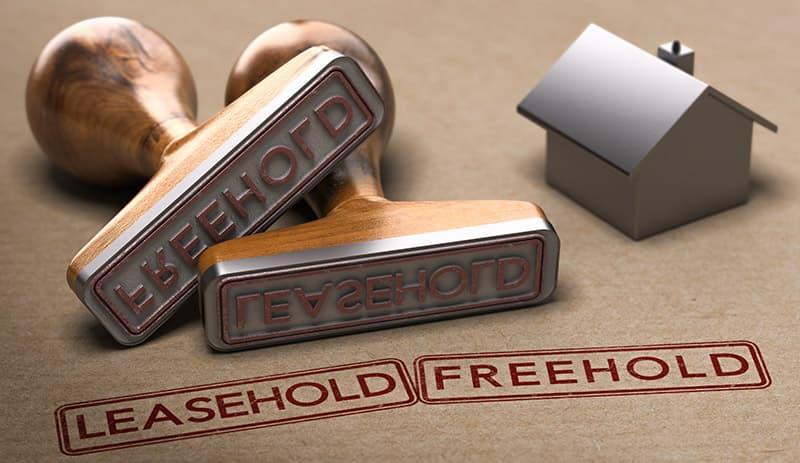
Leasehold property is a type of ownership where the buyer does not own the land outright but rather leases it for a specified duration. This lease period can vary, typically lasting 30, 60, 99, or even 999 years. Leaseholders may have certain usage restrictions and may need to pay a lease rent to the original landowner. Once the lease term expires, ownership rights revert to the original owner unless the lease is renewed. Unlike freehold property, leasehold arrangements often involve restrictive clauses that limit changes or construction on the property.
Also Read:- Reduce EMI of existing home loan – 5 Validated Tactics
6. What is Freehold Property in Accounting?

In accounting terms, a freehold property is considered a tangible asset, as it represents a physical item with significant value. For businesses, freehold properties appear on balance sheets as assets that can appreciate over time, providing an opportunity for capital gains. Additionally, because freehold property doesn’t come with recurring lease payments, it can be a stable investment for businesses looking to secure long-term assets.
7. Is Freehold Property an Asset?

Yes, freehold property is an asset, often classified as a fixed or non-current asset on a balance sheet. Its value is based on market prices and can fluctuate over time. Freehold property is also an appreciating asset, meaning it generally increases in value, providing a hedge against inflation and offering an asset base that can be leveraged for loans or other financial purposes.
8. What Rights Does a Freehold Property Owner Have?
A freehold property owner has several rights, including:
- Right to Possess: Complete ownership over the property and land.
- Right to Transfer: The freedom to sell or transfer the property to another party.
- Right to Use: The liberty to use the property in any lawful manner.
- Right to Build: Ability to construct or renovate within the confines of local laws.
- Right to Pass On: The option to bequeath the property to heirs or beneficiaries.
These rights make freehold ownership appealing, as it provides a level of autonomy and control that is generally not available with leasehold property.
9. What is Power of Attorney for Property?

A power of attorney (POA) for property is a legal document that grants an individual the authority to make decisions about the property on behalf of the owner. This can be especially useful for freehold property owners who may want a trusted person to handle their affairs. However, it’s important to note that a POA does not transfer ownership; it simply allows the designated person to act on behalf of the property owner.
10. What are the Pros of Owning Freehold Property?
Owning a freehold property has several benefits:
- Complete Ownership: Absolute rights over the land and building.
- Ease of Transfer: Simple legal process for selling or transferring property.
- Appreciation in Value: Potential for long-term capital gains.
- No Recurring Payments: No lease rent or renewal fees.
- Modifications Allowed: Ability to renovate or expand without permission from a landlord.
11. What are the Cons of Freehold Property?
While freehold property offers many advantages, there are some downsides:
- Higher Initial Cost: Freehold properties are often more expensive than leasehold alternatives.
- Longer Approval Processes: Constructing or modifying may require multiple municipal approvals.
- Responsibility for Maintenance: The owner is solely responsible for all upkeep and repairs.
- Legal Complications: Inheritance and transfer issues can be complex if not handled properly.
Conclusion
Freehold property ownership is ideal for those seeking long-term security and control over their property. It allows you to make alterations, rent out the space, and benefit from potential property appreciation. However, it does require a higher upfront cost and the responsibility of maintaining the property. Freehold property continues to be one of the most desirable forms of ownership, particularly in India, where property laws favor freehold for its simplicity and autonomy. For those interested in exploring freehold property options, Housiey can help connect you with trusted builders, ensuring a smooth, transparent, and hassle-free home-buying experience.
Also Read:- Common Real Estate Fraud and How to Avoid Them
FAQs
What is freehold property?
- Property with complete ownership of both land and building.
What is freehold property in India?
- Freehold property in India provides full ownership and no lease obligations.
What is an example of freehold property?
- Examples include standalone houses or villas owned outright.
Can I modify my freehold property?
- Yes, owners can modify freehold properties with local authority approval.
What is leasehold property?
- Property leased for a fixed period, reverting to the original owner after.
How does freehold differ from leasehold?
- Freehold offers full ownership, while leasehold is limited to a specific term.
What is power of attorney for property?
- A legal authority allows someone to act on the owner’s behalf.
Is freehold property an asset?
- Yes, it’s a tangible, appreciating asset on balance sheets.
Can I transfer freehold property?
- Yes, freehold properties can be easily sold or transferred.
Is freehold property better than leasehold?
- Freehold is often better due to full ownership but comes at a higher cost.
Can I build on freehold land?
- Yes, with necessary permits, owners can develop freehold land.
Is freehold property subject to annual fees?
- No, freehold ownership doesn’t require annual lease fees.
Can I inherit freehold property?
- Yes, freehold property can be passed on to heirs.
Does freehold property appreciate?
- Generally, yes, it has good appreciation potential.
Can freehold property be rented out?
- Yes, owners can rent it out as they please.
Is freehold property easier to finance?
- Banks often prefer financing freehold over leasehold.
What taxes apply to freehold property?
- Property taxes, but no lease-related taxes.
How do I verify freehold property ownership?
- Check land records and property title documents.
Can freehold properties have disputes?
- Disputes are possible, but full ownership offers legal clarity.
Does freehold property have resale value?
- Yes, due to full ownership, it usually has a higher resale value.
L. Sadriwala is the Editor-in-Chief at Housiey, with a professional writing career spanning since 2015. Coming from a family of real estate developers, her deep-rooted industry understanding naturally shaped her focus on real estate content, where she combines domain knowledge with clear, reader-first writing.
She specializes in simplifying complex property concepts — from housing policies and market trends to builder reviews and project insights — into accurate, easy-to-understand guidance for homebuyers and investors.
At Housiey, every article by L. Sadriwala is built on thorough research and verified facts. Her goal is straightforward: to empower homebuyers and investors with reliable, trustworthy information that helps them make confident property decisions.
Related Stories