
What Are the Eligibility Criteria for the DDA Housing Scheme 2026?
-
 By L. Sadriwala
- March 26, 2026
Introduction
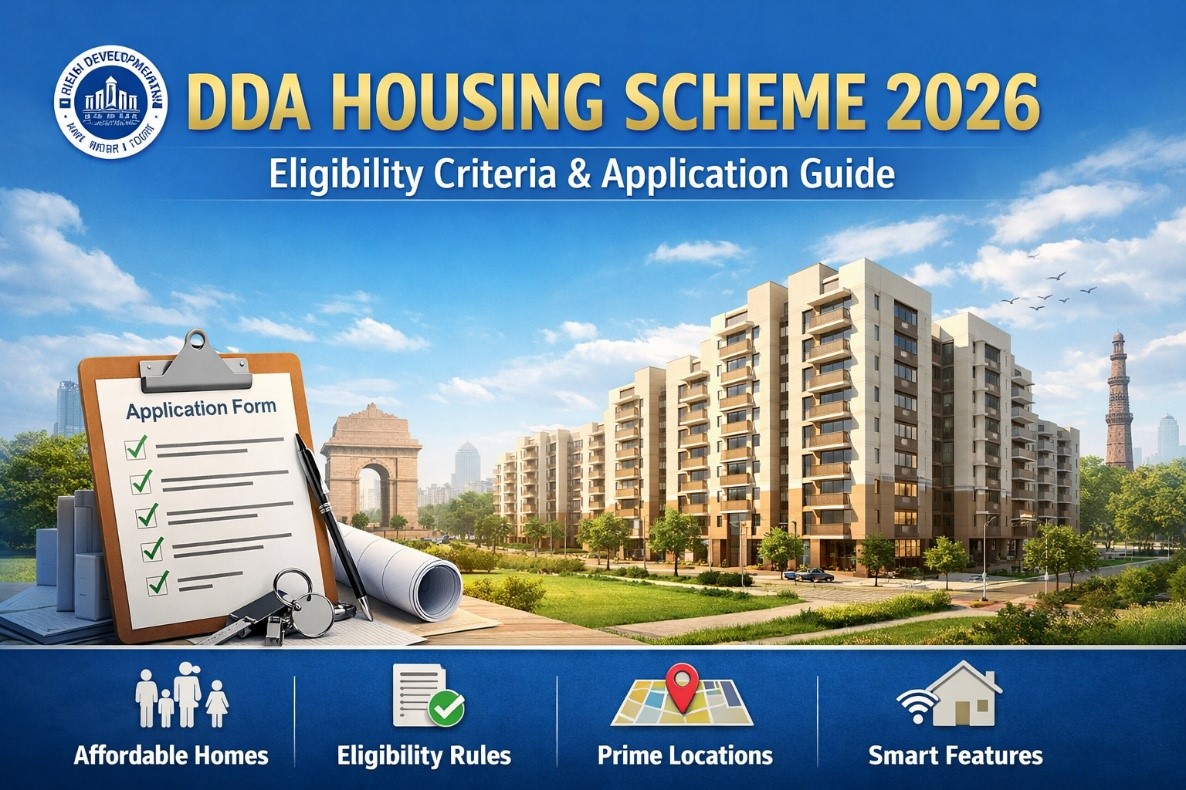
For homebuyers in the capital city, the housing initiatives by the Delhi Development Authority have always been a gateway to owning a legally secure and relatively affordable home. With rising property prices across Delhi and NCR, the anticipation around the DDA Housing Scheme 2026 is already building momentum among first-time buyers, investors, and middle-income families.
Unlike private developers, DDA projects are known for their transparency, government backing, and structured allocation systems. However, one of the most crucial aspects that determines whether you can benefit from this scheme is eligibility. Many applicants either miss out or face rejection due to an incomplete understanding of the criteria, documentation gaps, or procedural errors.
This blog offers a complete, systematic, and deeply detailed breakdown of eligibility criteria, application process, pricing expectations, locations, and upcoming trends like smart homes in DDA schemes, helping you prepare well in advance for the 2026 launch.
Also Read:- DDA’s Apna Ghar Aawas Yojana: All 152 Flats Sold Out in Just One Hour, Extension Announced
Eligibility Criteria for Upcoming DDA Housing Projects

To ensure fair distribution and prevent misuse, DDA sets specific eligibility conditions for applicants. While minor updates may occur in 2026, the core framework is expected to remain consistent.
Basic Eligibility Requirements
- The applicant must be an Indian citizen.
- The applicant must be at least 18 years old at the time of application.
- The applicant should not own a residential property in Delhi (freehold or leasehold), either in their own name or in the name of their spouse or dependent children.
- Joint applications are allowed, especially for family members.
Also Read:- DDA Pushes Signature View Apartment Residents to Vacate as Deadline Expires
Income-Based Eligibility Categories
DDA schemes are segmented based on income groups:
|
Category |
Income Range |
Typical Flat Type |
| EWS (Economically Weaker Section) | Up to ₹3 lakh/year | 1 RK / 1 BHK |
| LIG (Low Income Group) | ₹3–6 lakh/year | 1 BHK |
| MIG (Middle Income Group) | ₹6–18 lakh/year | 2 BHK / 3 BHK |
| HIG (High Income Group) | Above ₹18 lakh/year | Premium 3 BHK / 4 BHK |
Additional Conditions
- Women applicants often receive priority or concessions in certain schemes.
- Reserved categories (SC/ST/OBC/Divyangjan) benefit from quota-based allocation.
- Applicants must have a valid PAN and an active bank account.
How to Apply for DDA Flats in Future Schemes
The application process for DDA schemes has become increasingly digital, making it accessible and efficient.
Step-by-Step Overview
- Visit the official DDA housing portal.
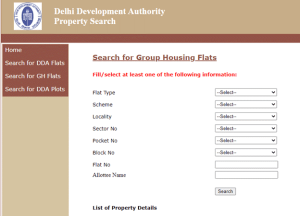
- Register using personal details like name, PAN, and mobile number.
- Choose your preferred flat category and location.
- Upload required documents.
- Pay the application fee online.
- Submit the application and wait for the lottery draw.
The entire process is designed to be transparent, with results typically declared through a computerized draw system.
Als
Registration Process for DDA Residential Units in the Next Scheme
The registration phase is critical, as incomplete or incorrect details can lead to disqualification.
Key Steps in Registration
- Create a login ID on the DDA portal.
- Fill in personal, financial, and category-specific details.
- Select preferred zones or projects.
- Pay the registration amount based on the flat category.
Registration Fees (Expected)
| Category | Registration Amount (Approx.) |
| EWS | ₹10,000 – ₹25,000 |
| LIG | ₹25,000 – ₹1 lakh |
| MIG | ₹1 – ₹2 lakh |
| HIG | ₹2 – ₹5 lakh |
Documents Required for DDA Housing Application 2026 Launch
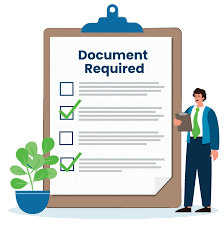
Having your documents ready in advance can significantly improve your chances of a smooth application.
Mandatory Documents
- PAN Card
- Aadhaar Card
- Income Proof (ITR/Salary Slips)
- Bank Account Details
- Passport-size Photograph
- Address Proof
Category-Specific Documents
- Caste Certificate (if applicable)
- Disability Certificate
- Affidavit declaring no property ownership in Delhi
Different Types of Flats in DDA’s Next Offering
DDA caters to a wide range of buyers, ensuring inclusivity across income levels.
Flat Configurations
- EWS Units: Compact homes with basic amenities
- LIG Flats: Functional 1 BHK units for small families
- MIG Flats: Spacious 2–3 BHK homes with better layouts
- HIG Flats: Premium units with modern amenities and larger carpet areas
Key Features Expected
- Gated communities
- Parking facilities
- Basic landscaping
- Proximity to metro and transport hubs
Expected Development Locations for DDA Housing 2026
Location plays a major role in determining both livability and future appreciation.
Key Areas Likely to Be Included
- Dwarka
- Narela
- Rohini
- Jasola
- Vasant Kunj
These areas are either already developed or part of Delhi’s expansion strategy, offering a mix of affordability and connectivity.
Upcoming DDA Housing Scheme 2026 Projects with Smart Home Features
DDA is gradually aligning with modern housing trends, and 2026 may witness a shift towards smart living.
Expected Smart Features
- App-controlled lighting and appliances
- Smart security systems
- Energy-efficient designs
- Rainwater harvesting systems
- Solar-powered common areas
This marks a significant upgrade from earlier schemes, making DDA homes more future-ready.
Compare Property Prices Under DDA Housing Scheme 2026 in Delhi
One of the biggest advantages of DDA housing is its pricing compared to market rates.
Expected Price Comparison
| Category | DDA Price Range | Market Price in Delhi |
| EWS | ₹10–25 lakh | ₹25–40 lakh |
| LIG | ₹25–50 lakh | ₹50–80 lakh |
| MIG | ₹60 lakh–₹1.2 crore | ₹1–2 crore |
| HIG | ₹1.5–2.5 crore | ₹2.5–4 crore |
This pricing gap makes DDA schemes highly attractive for first-time buyers.
Top Real Estate Developers Partnering in DDA Housing Scheme 2026
While DDA primarily develops projects independently, certain schemes may involve collaborations.
Possible Associations
- Government contractors and infrastructure firms
- Public-private partnership (PPP) developers
- Construction firms specializing in affordable housing
However, DDA maintains strict quality and regulatory control over all developments.
Conclusion
The DDA Housing Scheme 2026 is shaping up to be a significant opportunity for homebuyers looking for affordability, transparency, and long-term value in Delhi’s competitive real estate market. Understanding the eligibility criteria is not just a procedural step—it is the foundation of a successful application.
From income classifications and documentation to location choices and pricing advantages, every aspect of this scheme is designed to cater to a wide spectrum of buyers. With the expected inclusion of smart home features and improved infrastructure planning, DDA is gradually bridging the gap between affordable housing and modern living.
For buyers who plan ahead, keep their documentation ready, and stay updated with announcements, this scheme can be a game-changing opportunity to secure a home in the capital city.
Key Takeaways
- DDA Housing Scheme 2026 will follow structured eligibility criteria based on income and property ownership.
- The application and registration process will be fully online and transparent.
- Buyers must prepare documents in advance to avoid disqualification.
- Pricing under DDA schemes remains significantly lower than market rates.
- Smart home features and better infrastructure are expected in upcoming projects.
Sources
- Delhi Development Authority Official Website
Used for understanding the structure of DDA housing schemes, eligibility norms, application process, and registration framework based on previous scheme guidelines. - Ministry of Housing and Urban Affairs (MoHUA), Government of India
Referenced for policy-level insights on affordable housing norms, income group classifications (EWS, LIG, MIG, HIG), and urban housing schemes. - Previous DDA Housing Scheme Brochures (2021–2024)
Used to derive expected eligibility criteria, pricing trends, flat categories, and documentation requirements based on past scheme patterns. - Leading Banking Institutions (SBI, HDFC Ltd., ICICI Bank)
Referenced for general home loan eligibility norms and financing availability for DDA flats. - Real Estate Market Reports (ANAROCK, Knight Frank India)
Used for comparative pricing insights between DDA housing and market rates in Delhi across various income segments.
FAQs
- Any Indian citizen above 18 years who does not own a residential property in Delhi can apply. Income category and documentation also play a key role in eligibility.
- Yes, owning a property outside Delhi does not disqualify you from applying. The restriction applies only to property ownership within Delhi.
- The minimum age is 18 years at the time of application. There is no upper age limit specified by DDA.
- Yes, both can apply separately if they meet eligibility criteria individually. However, property ownership conditions must still be satisfied.
- Flats are allotted through a computerized lottery system. This ensures fairness and transparency in allocation.
- Your registration amount is refunded in case of non-allotment. The refund is usually processed within a few weeks.
- Yes, NRIs can apply provided they hold Indian citizenship. They must also fulfill all other eligibility criteria.
- Yes, DDA provides reservations for SC, ST, OBC, and differently-abled individuals. These are as per government norms.
- The application fee varies depending on the category of flat. It typically ranges from ₹10,000 to ₹5 lakh.
- Yes, applicants can select preferred locations during the application process. Final allocation depends on availability and lottery results.
- Yes, most banks provide home loans for DDA properties. These flats are considered secure investments due to government backing.
- Most DDA flats are offered on a leasehold basis. However, conversion to freehold may be possible later under certain conditions.
- Possession timelines vary depending on the project stage. Ready-to-move units are handed over quickly after payment completion.
- Yes, DDA flats can be sold after a certain lock-in period. The exact duration depends on scheme rules.
- Yes, they offer good appreciation potential due to lower entry prices. They are also considered safe investments.
- PAN card, Aadhaar card, income proof, and address proof are essential. Missing documents can lead to rejection.
- Generally, editing is not allowed after final submission. It is important to review all details before applying.
- Yes, HIG category flats often include premium features. However, the focus remains on affordability.
- While not officially confirmed, DDA is expected to introduce smart features. This aligns with modern housing trends.
- The official launch date is yet to be announced. Buyers should regularly check updates on the DDA portal.
L. Sadriwala is the Editor-in-Chief at Housiey, with a professional writing career spanning since 2015. Coming from a family of real estate developers, her deep-rooted industry understanding naturally shaped her focus on real estate content, where she combines domain knowledge with clear, reader-first writing.
She specializes in simplifying complex property concepts — from housing policies and market trends to builder reviews and project insights — into accurate, easy-to-understand guidance for homebuyers and investors.
At Housiey, every article by L. Sadriwala is built on thorough research and verified facts. Her goal is straightforward: to empower homebuyers and investors with reliable, trustworthy information that helps them make confident property decisions.
Related Stories