

Khatu Shyam Temple: Photos | Nearest Railway Station & Airport | Distance
-
 By L. Sadriwala
- April 24, 2026

Introduction
Tucked away in the heart of Rajasthan, the Khatu Shyam Temple stands as a powerful symbol of faith, surrender, and unwavering devotion. Located in the quaint village of Khatu in the Sikar district, this temple is not just a place of worship, it is an emotion for millions of devotees who believe in the divine grace of Khatu Shyam Ji.
What makes this temple truly special is its deep connection to the Mahabharata. Khatu Shyam Ji is believed to be Barbarika, the brave grandson of Bhima, who sacrificed his head in the name of dharma. Pleased by his sacrifice, Lord Krishna granted him a boon that he would be worshipped in Kaliyuga, the present age, as Shyam, the one who fulfills the wishes of his devotees.
Today, the temple attracts pilgrims from across India, all united by one belief: “Hare Ka Sahara, Baba Shyam Hamara.”
Also Read:- Which Direction Is Best for a Mandir at Home as per Vastu?
Overview of Khatu Shyam Temple
The Khatu Shyam Temple is a stunning architectural marvel built primarily using white marble, giving it a serene and divine appearance. The temple complex is beautifully maintained, with intricate carvings, silver-plated doors, and a spiritually charged sanctum that instantly creates a sense of calm and reverence.
At the heart of the temple lies the sacred idol, believed to be the very head of Barbarika. The idol is adorned with flowers, jewelry, and vibrant fabrics, changing its appearance throughout the day during different darshan sessions.
The temple is managed efficiently, considering the heavy footfall it receives daily. During peak seasons and festivals, lakhs of devotees gather here, turning the temple into a vibrant hub of devotion, music, and spiritual energy.
The Legend of Khatu Shyam Ji
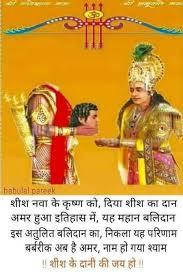
The story of Khatu Shyam Ji is one of sacrifice and divine justice. Barbarika was a warrior blessed with immense power and three magical arrows that could ensure victory in any battle. Before the Mahabharata war began, he promised to support the weaker side.
Lord Krishna, recognizing the potential imbalance this could create, tested Barbarika and ultimately asked for his head as a sacrifice. Without hesitation, Barbarika agreed. Impressed by his devotion, Krishna granted him the boon of being worshipped in Kaliyuga.
It is believed that Barbarika’s head witnessed the entire war, and centuries later, it was discovered in Khatu village, leading to the establishment of this temple.
Also Read:- Is It Lucky to Buy a New Home on Dhanteras as per Vastu?
Spiritual Significance
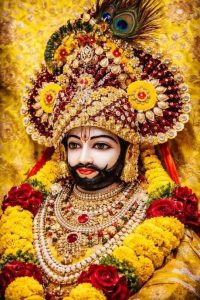
The spiritual importance of Khatu Shyam Temple is deeply rooted in faith, sacrifice, and emotional connection. Khatu Shyam Ji is not just worshipped as a deity, but revered as a compassionate force who understands human struggles and responds to sincere devotion.
To understand his significance better, it can be explained in a structured and systematic manner:
-
Symbol of Sacrifice and Dharma
Khatu Shyam Ji, believed to be Barbarika from the Mahabharata, represents the highest form of sacrifice. Offering his head before the war signifies complete surrender to righteousness, making him a powerful symbol of truth, justice, and selflessness.
-
Deity of Hope and Fulfillment
He is widely regarded as the “God of Kaliyuga,” meaning devotees believe his blessings are especially powerful in today’s era. People turn to him with the faith that their wishes—whether related to health, career, relationships, or finances—will be fulfilled.
-
Immediate Listener of Prayers
One of the strongest beliefs associated with Khatu Shyam Ji is that he listens to sincere prayers instantly. Devotees often share experiences of quick resolutions to their problems after seeking his blessings with genuine faith.
-
Support During Hardships
Khatu Shyam Ji is seen as a divine protector for those facing difficulties. Whether it is emotional distress, financial struggles, or personal challenges, devotees believe he provides strength, guidance, and relief during tough times.
-
Rewards Faith Over Rituals
Unlike many traditions that emphasize strict rituals, devotion to Khatu Shyam Ji is simple and accessible. What matters most is faith, humility, and surrender, rather than elaborate पूजा or offerings.
-
Remover of Obstacles and Giver of Success
He is often worshipped before starting new ventures or making important life decisions. Devotees believe he clears obstacles and paves the way for success and stability.
-
Strong Emotional Connection with Devotees
A unique aspect of Khatu Shyam Ji’s worship is the personal bond devotees feel with him. He is often seen as a friend, guide, and protector—someone they can rely on without hesitation or formality.
-
Power of Bhakti (Pure Devotion)
Chanting his name, singing bhajans, or simply remembering him with sincerity is considered enough to receive his blessings. This simplicity makes his worship deeply inclusive and emotionally fulfilling.
-
Belief Reflected in Devotional Culture
The popular chant “Hare Ka Sahara, Baba Shyam Hamara” reflects the core belief that he supports those who feel helpless or defeated. It reinforces the idea that faith in him brings strength and hope.
-
A Source of Inner Peace and Assurance
Beyond material wishes, devotees often experience a deep sense of calm and reassurance after connecting with Khatu Shyam Ji. His presence is believed to bring emotional stability and spiritual clarity.
In essence, the spiritual significance of Khatu Shyam Ji lies in his simplicity, compassion, and the unwavering belief that he stands by his devotees in every phase of life.
Also Read:- Is It Good to Buy a House in Navratri as per Vastu? A Complete, In-Depth Buyer’s Guide
Khatu Shyam Temple Photos and Visual Experience
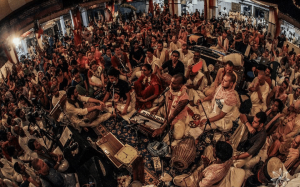
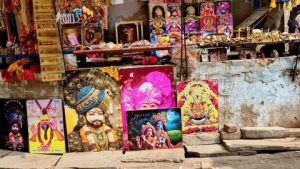
While photography inside the temple is restricted, the surroundings offer a visually rich experience. The temple’s exterior, bustling streets, and devotional atmosphere create a vibrant setting.
You will find:
- Marble pathways leading to the temple
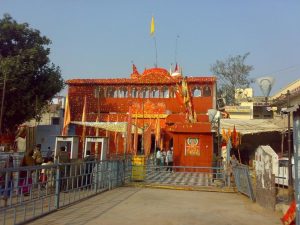
- Devotees singing bhajans and chanting
- Colorful shops selling prasad, flowers, and souvenirs
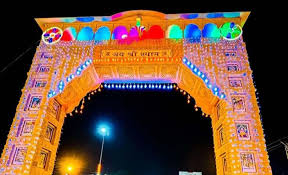
- Beautifully decorated temple gates during festivals
One of the most sacred spots near the temple is the Shyam Kund, where devotees take a dip believing it purifies the soul and washes away sins.
Location and Connectivity
- State: Rajasthan
- District: Sikar
- Village: Khatu
- Nearest Major City: Jaipur
The temple is strategically located and well-connected, making it accessible for pilgrims traveling from different parts of India.
Nearest Railway Station to Khatu Shyam Temple
Ringas Junction railway station
- Distance: Approximately 15–18 km
- Travel Time: Around 30–40 minutes
Ringas Junction is the closest railway station and the most preferred option for devotees visiting Khatu Shyam Temple. It is well-connected to major cities like Delhi, Jaipur, Bikaner, and Mumbai.
From Ringas, visitors can easily find taxis, shared autos, and buses that frequently operate between the station and the temple.
Alternative Railway Stations
- Sikar Junction – Approx. 18 km
- Jaipur Junction – Approx. 80 km
These stations provide additional connectivity options, especially for long-distance travelers.
Nearest Airport to Khatu Shyam Temple
Jaipur International Airport
- Distance: Around 80 km
- Travel Time: 2 to 2.5 hours
Jaipur International Airport is the closest airport, offering excellent connectivity to major Indian cities such as Mumbai, Delhi, Bangalore, and Hyderabad.
From the airport, travelers can hire private taxis or opt for buses to reach Khatu comfortably.
Distance from Major Cities
- Jaipur to Khatu Shyam Temple: ~80 km
- Delhi to Khatu Shyam Temple: ~260–270 km
- Mumbai to Khatu Shyam Temple: ~1,200+ km
These distances make the temple a popular pilgrimage destination, especially for devotees from North and Western India.
How to Reach Khatu Shyam Temple
- By Train
Travel to Ringas Junction and take local transport to the temple.
- By Air
Fly to Jaipur and continue your journey via road.
- By Road
The temple is well-connected through highways, with regular buses and private taxis available.
Temple Timings and Darshan Experience
- Morning: 4:30 AM to 12:30 PM
- Evening: 4:00 PM to 10:00 PM
The temple follows a structured darshan schedule, with special aartis conducted throughout the day. The Mangla Aarti early in the morning is considered highly auspicious.
During peak hours, the waiting time can be long, but the organized queue system ensures a smooth experience.
Best Time to Visit
The ideal time to visit Khatu Shyam Temple is between October and March, when the weather is pleasant.
However, the most significant time is during the Phalgun Mela, held in February or March. This grand festival transforms the entire town into a spiritual celebration, with lakhs of devotees participating in processions, bhajans, and rituals.
Nearby Attractions
- Shyam Kund – Sacred bathing spot
- Jeen Mata Temple – A revered Shakti Peeth
- Salasar Balaji Temple – Dedicated to Lord Hanuman
Visiting these places adds depth to your spiritual journey.
Facilities for Devotees
Khatu village is well-equipped to handle the influx of pilgrims. You will find:
- Dharamshalas and budget hotels
- Food stalls and restaurants serving prasad and meals
- Medical facilities and emergency services
- Parking and transport services
The entire area is designed to ensure comfort and convenience for visitors.
Why Khatu Shyam Temple Attracts Millions
What sets Khatu Shyam Temple apart is not just its mythology, but the emotional connection devotees feel. Many visitors share stories of fulfilled wishes, miraculous experiences, and a deep sense of peace after visiting the temple.
It is a place where faith meets hope, and where devotees find strength during challenging times.
Conclusion
The Khatu Shyam Temple is more than a pilgrimage destination, it is a journey of faith, devotion, and spiritual awakening. Whether you are seeking blessings, peace, or simply a meaningful travel experience, this temple offers it all.
With excellent connectivity through Ringas Junction and Jaipur International Airport, planning a visit has become easier than ever. A trip to Khatu Shyam Ji is not just about reaching a destination, it’s about experiencing divine grace.
Key Takeaways
- Khatu Shyam Temple is located in Rajasthan’s Sikar district and is dedicated to Barbarika, a revered figure from the Mahabharata.
- Ringas Junction is the nearest railway station, situated around 15–18 km from the temple.
- Jaipur International Airport is the closest airport, located approximately 80 km away.
- The temple holds immense spiritual significance and attracts millions of devotees every year.
- The best time to visit is between October and March or during the grand Phalgun Mela festival.
FAQs
- It is located in Khatu village in Rajasthan’s Sikar district. The temple is easily accessible from Jaipur and nearby cities.
- Khatu Shyam Ji is believed to be Barbarika, the grandson of Bhima. He is worshipped as the God of Kaliyuga.
- The nearest railway station is Ringas Junction. It is about 15–18 km from the temple.
- Jaipur International Airport is the nearest airport. It is located around 80 km away.
- The distance is approximately 80 km. It takes about 2 hours to reach by road.
- No, there is no direct railway station in Khatu. Travelers usually get down at Ringas Junction.
- You can take taxis, autos, or buses. The journey takes around 30–40 minutes.
- The temple symbolizes sacrifice, devotion, and divine blessings. Devotees believe their wishes are fulfilled here.
- It is the biggest annual festival at the temple. It attracts lakhs of devotees from across the country.
- Yes, there are many dharamshalas and hotels. Options are available for different budgets.
- The temple opens early morning and closes at night. Timings may vary during festivals.
- Photography is not allowed inside the sanctum. However, you can take photos outside.
- It is a sacred water tank near the temple. Devotees believe it cleanses sins.
- October to March is ideal due to pleasant weather. Visiting during Phalgun Mela is also special.
- Yes, it remains crowded most of the time. The crowd increases significantly during festivals.
- It is approximately 260–270 km away. The journey can be completed by road or train.
- Yes, buses run frequently from Jaipur and Delhi. Road connectivity is strong.
- Facilities include accommodation, food, medical aid, and transport. The area is well-developed for pilgrims.
- Yes, it is possible from Jaipur. Many devotees plan a one-day trip.
He is believed to fulfill wishes quickly in the present era. Devotees consider his blessings powerful and immediate.
L. Sadriwala, the Editor-in-Chief at Housiey, is a seasoned writer whose professional journey in content creation began in 2015. With a background rooted in a family of real estate developers, her transition into real estate writing was a natural evolution, bringing together her storytelling expertise and deep industry understanding.
Over the years, she has authored impactful blogs across diverse niches such as food, travel, and lifestyle, before establishing her reputation as a trusted voice in Indian real estate. Today, her work stands out for its clarity, accuracy, and ability to simplify complex property concepts for readers.
At Housiey, every article crafted by L. Sadriwala reflects thorough research, verified facts, and a reader-first approach. From decoding housing policies and trends to offering in-depth builder reviews and project insights, her mission is clear: to empower homebuyers and investors with the knowledge they need to make confident property decisions.
Her writing not only informs but also builds trust, making her one of the most credible editorial voices in the real estate space.
Related Stories