

Budget 2026 and Real Estate: Building Foundations for India’s Next Growth Cycle
-
 By L. Sadriwala
- February 3, 2026
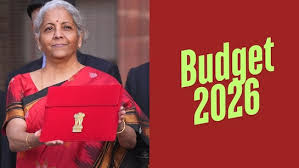
How Infrastructure, Manufacturing, Data Centres & Tier-2 Cities Are Quietly Rewriting Property Growth
Union Budget 2026–27 may not have produced headline-grabbing sops for homebuyers or developers, but to dismiss it as underwhelming would be a strategic mistake. This is a Budget designed for durability rather than drama, signalling continuity, fiscal prudence, and a clear commitment to long-term asset creation.
For India’s real estate sector, Budget 2026 is best understood not as a direct stimulus package, but as a framework Budget, one that strengthens the economic, infrastructural and capital-market foundations upon which property demand is built. Infrastructure, manufacturing, digital capacity, decentralised urbanisation, tourism and asset monetisation collectively form the spine of this year’s policy direction.
Platforms like Housiey, which connect buyers directly with developers without circulating contact details across brokers, become especially relevant in such a landscape, where informed decision-making, transparency and long-term value matter more than short-term hype.
Budget 2026: Continuity Over Populism
Finance Minister Nirmala Sitharaman has consciously chosen policy consistency over populist giveaways. At a time when global economies are grappling with inflation, geopolitical uncertainty and capital volatility, India has doubled down on fiscal discipline while continuing to fund long-gestation growth drivers.
For real estate, this translates into:
- Stable interest rate expectations
- Predictable policy direction
- Sustained public capex
- Higher investor confidence in long-term assets
Rather than stimulating demand artificially, the Budget focuses on creating the conditions in which genuine demand can grow organically, a far healthier signal for residential, commercial and industrial real estate.
Infrastructure Spending: The Backbone of Real Estate Confidence
The most powerful real estate signal in Budget 2026 is the increase in capital expenditure to ₹12.2 lakh crore for FY27. This sustained infrastructure push reinforces the government’s belief that asset creation is the most reliable engine of economic confidence.
Why Infrastructure Matters To Property Markets
Infrastructure spending directly impacts:
- Land viability and pricing
- Project feasibility
- Absorption velocity
- Urban expansion patterns
- Investor risk perception
High-speed rail corridors, dedicated freight corridors, expressways, ports, inland waterways and urban cluster development reshape not just how cities grow, but where real estate value migrates next.
Shishir Baijal, Chairman and MD of Knight Frank India, rightly points out that this continuity creates a stable macro environment for investors and keeps buyer sentiment realistic rather than speculative.
For buyers exploring new micro-markets through Housiey, this kind of infrastructure-led growth makes it easier to assess projects based on future connectivity and liveability, not just present-day pricing.
Tier-2 And Tier-3 Cities: From Peripheral To Pivotal
One of the most consequential undercurrents of Budget 2026 is the quiet but decisive push toward decentralised urban growth. As capacity constraints tighten in major metros, tier-2 and tier-3 cities are no longer fringe plays—they are becoming central to India’s real estate strategy.
What’s Driving This Shift?
- Expanding infrastructure corridors
- Emerging talent pools
- Lower real estate and operational costs
- Improving social infrastructure
- Better quality-of-life metrics
Anshul Jain of Cushman & Wakefield notes that GCCs, start-ups and technology-led firms are actively evaluating tier-2 locations as viable alternatives to saturated tier-1 markets.
Real Estate Impact
This decentralisation supports:
- Residential developments for end-users
- Office campuses and flex spaces
- Logistics and warehousing hubs
- Mixed-use townships
For homebuyers and investors using Housiey, this shift opens access to verified developer projects in emerging cities, without broker interference, making early entry into growth markets more transparent and data-driven.
Manufacturing Push: Fuel For Industrial & Logistics Real Estate
Manufacturing remains the cornerstone of India’s long-term economic ambition, and Budget 2026 reinforces this with targeted support for sectors that are deeply intertwined with real estate.
Key Focus Areas
- Biopharma and healthcare manufacturing
- Electronics and semiconductor ecosystems
- Rare earth mining
- Container manufacturing
- AVGC and AI-driven industries
Badal Yagnik, CEO of Colliers India, highlights that manufacturing scale-up combined with infrastructure augmentation and economic region development will directly translate into higher demand for:
- Industrial parks
- R&D centres
- Warehousing and logistics facilities
- Specialised commercial assets
This industrial momentum doesn’t just benefit factory floors, it creates employment nodes, which in turn drive housing demand in adjacent residential markets.
Data Centres: India’s New Strategic Real Estate Class
One of the most structurally significant announcements in Budget 2026 is the tax holiday for foreign cloud service providers till 2047, along with safe-harbour provisions.
Why This Matters
India is still under-penetrated in data centre capacity relative to its exploding digital consumption. This policy shift:
- Lowers entry barriers for global hyperscalers
- Improves investment certainty
- Accelerates large-scale capacity creation
Anshul Jain calls this a defining moment for India’s digital infrastructure, while Anuj Puri of ANAROCK points out that although Mumbai, Chennai and Bengaluru will remain dominant, tier-2 cities like Jaipur and Vijayawada will increasingly attract data centre investments.
Real Estate Implications
- Long-lease, high-capex commercial assets
- Demand for power-secure land parcels
- Ancillary residential and retail development
- New commercial micro-markets
This evolution adds a completely new layer to India’s commercial real estate story.
REITs & Asset Monetisation: Maturing Capital Markets
Budget 2026’s proposal to monetise CPSE-owned assets through REITs is another quiet structural reform with massive long-term implications.
Anuj Puri estimates that nearly ₹10 lakh crore worth of assets across railways, ports, telecom towers, power transmission and government land could be unlocked.
Why REITs Matter
- Attract long-term institutional capital
- Improve transparency and governance
- Offer stable yield instruments
- Reduce dependence on traditional debt
Anshul Jain also highlights the potential of pooling prime government land in metropolitan areas through REIT structures, which could significantly deepen India’s REIT ecosystem.
For investors increasingly exploring income-generating real estate opportunities, this move strengthens confidence in India’s asset-backed investment framework.
Tourism, Education & Alternative Assets: Expanding The Real Estate Canvas
Beyond traditional segments, Budget 2026 places renewed emphasis on tourism, education townships and medical value tourism.
Dr. Samantak Das of JLL describes the Budget as a three-pronged blueprint focusing on:
- Growth sectors
- Infrastructure
- Services
Tourism-Led Development
Initiatives around iconic sites and temple towns are expected to drive demand for:
- Hotels and resorts
- Guest houses and homestays
- Allied retail and civic infrastructure
Badal Yagnik adds that tourism and skill-development initiatives often create a domino effect—boosting primary housing, second homes and rental markets in these regions.
Affordable Housing: The Missing Piece
Despite its breadth, Budget 2026 leaves affordable housing largely untouched, a gap that industry leaders have openly flagged.
Anuj Puri points out that affordable housing’s share of residential sales has dropped from over 38% in 2019 to around 18% in 2025. Without interest subsidies or developer incentives, the segment continues to struggle.
Shishir Baijal echoes this concern, stating that while infrastructure-led growth is welcome, the absence of targeted fiscal support for affordable housing remains a missed opportunity, especially given its role in inclusive urban development.
What This Means For Homebuyers & Investors
Budget 2026 rewards patience, planning and long-term thinking. It encourages buyers and investors to look beyond short-term incentives and focus on:
- Infrastructure-led locations
- Employment-driven demand
- Asset quality and developer credibility
This is exactly where Housiey plays a critical role, helping buyers connect directly with trusted developers, compare projects transparently, and make informed property decisions without broker pressure.
Conclusion: Strengthening The Roots Of Real Estate Growth
Union Budget 2026 is not a crowd-pleaser, and that may be its greatest strength. By reinforcing infrastructure, manufacturing, digital capacity and decentralised urbanisation, it strengthens the roots of India’s real estate ecosystem rather than chasing quick wins.
While the lack of affordable housing incentives is disappointing, the broader framework signals stability, continuity and long-term opportunity across residential, commercial and industrial assets. For buyers, investors and developers willing to think beyond the next quarter, Budget 2026 quietly lays the groundwork for India’s next phase of real estate evolution.
FAQs
- Budget 2026 does not offer direct tax or interest incentives for homebuyers, but it strengthens long-term demand by boosting infrastructure and employment-led growth. This indirectly supports price stability and better project viability over time.
- Higher capital expenditure improves connectivity, reduces development risk and accelerates urban expansion. This enhances land values and supports sustained absorption across real estate segments.
- Improved infrastructure, lower costs and emerging talent pools make tier-2 cities attractive for occupiers and investors. Budget 2026 reinforces this shift by prioritising decentralised urban growth.
- Yes, manufacturing hubs create employment clusters that drive housing demand nearby. This leads to the development of integrated townships and supporting social infrastructure.
- The tax holiday and safe-harbour provisions are transformative for commercial real estate. They encourage long-term investments in high-value, specialised assets across multiple cities.
- Tier-1 cities will continue to dominate initially, but tier-2 cities with power and connectivity advantages will increasingly attract data centre investments over time.
- REITs unlock capital, improve transparency and provide stable returns. Budget 2026’s focus on asset monetisation strengthens India’s real estate investment ecosystem.
- Tourism initiatives increase demand for hospitality assets and second homes. Over time, they also boost residential and retail development in surrounding areas.
- Yes, the Budget does not introduce new incentives for affordable housing. This remains a concern given the segment’s declining market share.
- Not necessarily, as structural growth drivers often deliver more sustainable returns. Infrastructure-led demand tends to be more resilient than incentive-driven demand.
- Commercial real estate benefits from manufacturing growth, data centre expansion and office decentralisation. These drivers support long-term leasing demand.
- Yes, infrastructure upgrades and manufacturing scale-up directly boost logistics and warehousing demand. This segment remains one of the strongest real estate performers.
- Fiscal discipline keeps inflation and interest rates in check. This creates a stable borrowing environment for both developers and buyers.
- No, metros will continue to anchor real estate activity. However, growth will become more balanced across regions.
- Homebuyers should focus on infrastructure-linked locations and credible developers. Long-term livability and connectivity matter more than short-term discounts.
- Yes, early entry into infrastructure-backed tier-2 markets can offer strong appreciation potential. However, due diligence remains critical.
- It prioritises continuity over experimentation. The focus is on strengthening foundations rather than delivering immediate relief.
- By funding infrastructure, manufacturing and services, the Budget creates sustainable urban ecosystems. This supports orderly and balanced city growth.
- Yes, clearer monetisation pathways and asset pipelines are likely to attract more institutional and retail investors into REITs.
Housiey enables buyers to connect directly with developers and access verified project information. This transparency is crucial in a long-term, fundamentals-driven market.
L. Sadriwala is the Editor-in-Chief at Housiey, with a professional writing career spanning since 2015. Coming from a family of real estate developers, her deep-rooted industry understanding naturally shaped her focus on real estate content, where she combines domain knowledge with clear, reader-first writing.
She specializes in simplifying complex property concepts — from housing policies and market trends to builder reviews and project insights — into accurate, easy-to-understand guidance for homebuyers and investors.
At Housiey, every article by L. Sadriwala is built on thorough research and verified facts. Her goal is straightforward: to empower homebuyers and investors with reliable, trustworthy information that helps them make confident property decisions.
Related Stories